Is the Ironman iMove PT Plus tire actually worth it?
Worth it for commuting, not for chasing performance
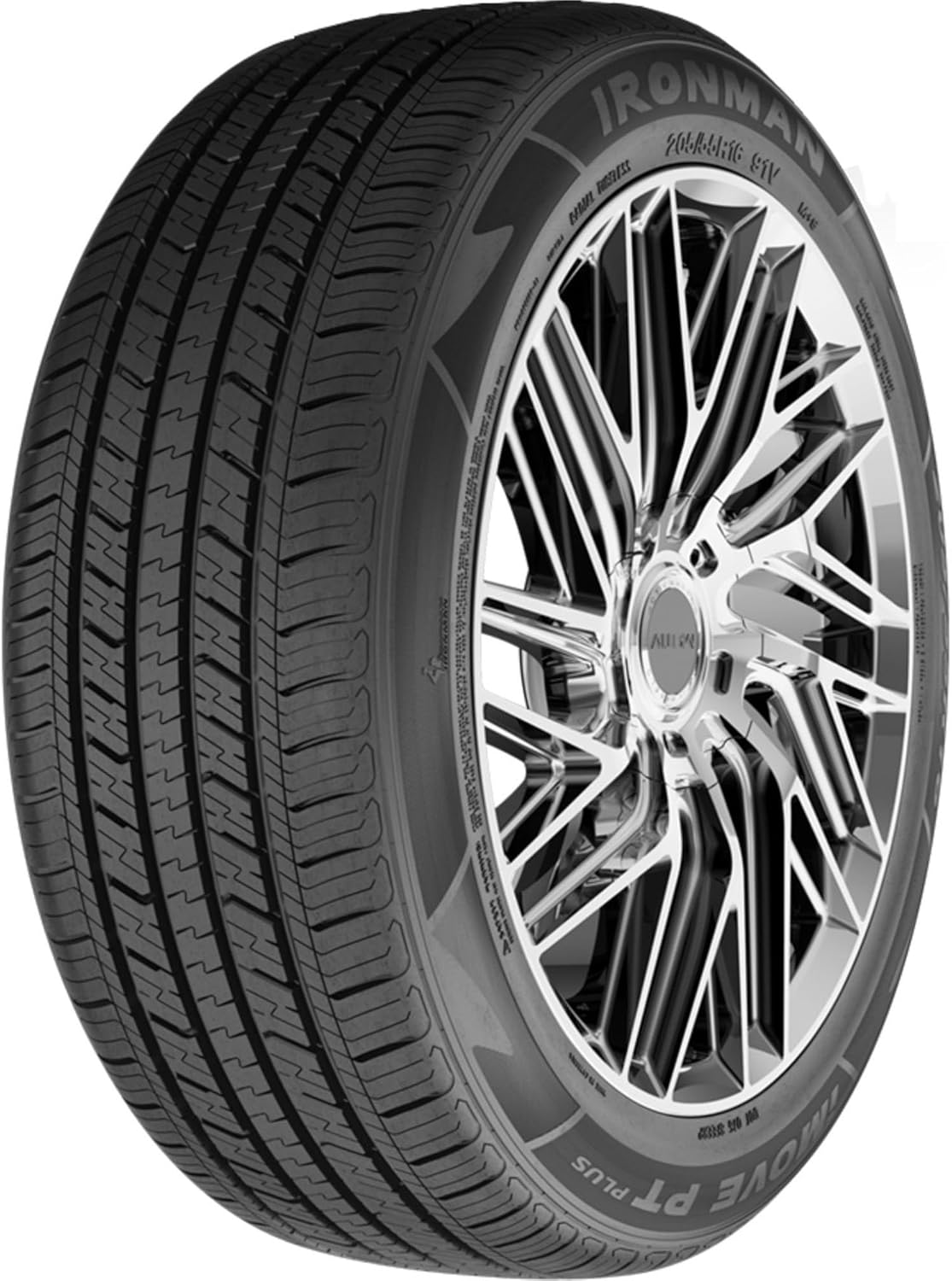
Why a wall of unfamiliar tire brands feels like a gamble
You're standing in the tire bay, running a thumb across a bald patch on your front tire, doing the math on a full set you didn't budget for. The counter guy points you at a wall of brand names you've never heard of, Ironman among them, promising the same grip as tires that cost twice as much. That's usually when you end up typing an ironman tires review into your phone: is a budget tire actually built to last, or just shaped to fit your rim.
How the Ironman iMove PT Plus tread actually works
Here's what's going on under that black sidewall. The iMove PT Plus uses a closed shoulder design, meaning the outer tread blocks are locked together instead of left as separate, wiggly lugs. That matters because tread squirm, the tiny side to side flex of each block as it hits the road, is what turns into road noise and vague steering. Lock the shoulder down and the tire tracks straighter and quieter, because there's less rubber free to flex and slap around. Ironman pairs that with chamfered tread blocks, edges shaved at an angle instead of left square, so each block lands progressively instead of all at once, spreading out wear instead of chewing down one edge fast. Underneath, a reinforced groove base keeps the tread from folding in on itself as miles add up. None of this is exotic, it's the same playbook premium tires use, applied to a non-directional all-season pattern built to handle rain, cold pavement, and daily commuting without drama. The 50,000 mile warranty is Ironman's own way of saying they expect that structure to hold.
So you're not buying a tire built to impress anyone at a track day, you're buying a quiet, predictable commute and a manufacturer willing to put 50,000 miles behind their own tread. The grip and ride are ordinary in the best way, nothing to fight, nothing to notice. Whether that's worth it comes down to what you actually do with your car, not what the wall of brands is trying to sell you.
Who the Ironman iMove PT Plus is for, and who should skip it
Worth it if
- You drive a sedan or CUV mainly for commuting and daily errands
- You want predictable, quiet handling without paying premium tire prices
- You'd rather have a stated mileage warranty than guess at tread life
Skip it if
- You want a tire built for spirited or performance driving
- You live somewhere serious snow and ice call for a dedicated winter tire
- You want a warranty well beyond 50,000 miles
Performance drivers and anyone chasing a warranty well past 50,000 miles should look elsewhere.
The Ironman tires review verdict
If you drive a sedan or CUV mostly for commuting and errands and want a low-drama tire that won't blow your budget, this is a quiet yes. If you push hard in corners, drive somewhere serious winter conditions demand a dedicated tire, or want a warranty stretching past 50,000 miles, look higher up the shelf. Either way, you now know what you're actually paying for.
Before you go
Is Ironman tires a good brand?
Yes, for everyday commuting. The iMove PT Plus offers a 50,000 mile tread warranty at an affordable price point.
What company makes Ironman tires?
Ironman is a house brand distributed through American Tire Distributors and built under contract, positioned as an affordable alternative to name brand passenger tires.
How long do Ironman tires last?
The iMove PT Plus carries a 50,000 mile limited tread warranty, a reasonable benchmark for a budget all-season tire, though actual mileage depends on driving style and alignment.
By the numbers
earn an unconditional yes at full priceOut of 134 automotive products we have reviewed. This one is a yes with a condition attached.
other reviews field the same questionIs Ironman tires a good brand?
comes up across our automotive coverage, not just here — one of the things worth settling before you choose.
Verdict datasetQuestion indexCC BY 4.0
Full spec sheet
| Rim Size | 15 inches |
|---|---|
| Load Index | 91 |
| Speed Rating | H |
| Load Capacity | 16 ounces |
| Tread Type | Non-Directional |
| Maximum Pressure | 44 psi |
| Automotive Fit Type | Universal Fit |
| Load Range | SL |
Keep comparing
More Ironman


More automotive reviews.