Ironman A/T Tire Review: Is It Worth It On Your Truck?
Worth it if you actually drive in rough or cold conditions
Why picking a no-name tire feels like a gamble
You're standing in a tire shop parking lot staring at a wall of brand names you've never heard of, and the guy behind the counter is pointing at a sidewall that costs half what the big-name option does. Your truck's about to head into a wet trailhead come November, and you're wondering if that discount is a warning sign or just a smaller company doing the same job for less. That's usually the exact moment people start typing an ironman a t tire review into their phone before they hand over the card.
How the Ironman A/T tire actually handles cold and rough ground
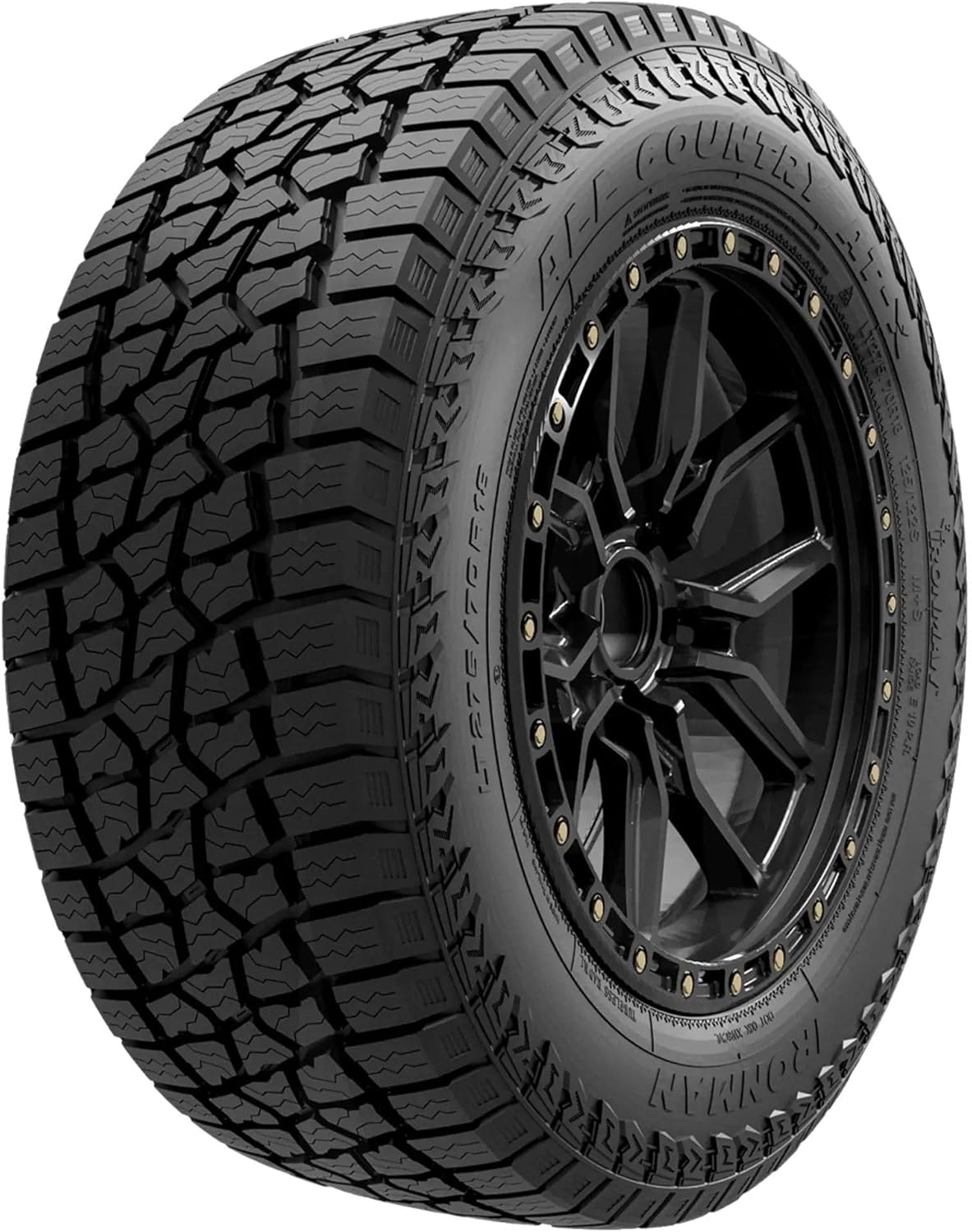
Here's the part that actually matters on this tire. The All Country AT-X carries the Three Peak Mountain Snowflake stamp, which isn't a marketing sticker, it's a lab test that measures how much grip a rubber compound holds onto below freezing. Most cheap all-terrain tires go hard and slick the moment the temperature drops, because the compound was tuned for warm asphalt. This one is formulated to stay pliable in the cold, which is the actual mechanism behind real winter traction, not the tread pattern alone. That tread pattern still earns its keep in mud and gravel too, biting into loose ground instead of packing solid. The shoulder blocks are reinforced, so a sharp rock or curb doesn't chip the edge the way it would on a softer tire. Put those two things together and you get one tire built to survive a gravel driveway and a snowy commute without needing two separate sets. The 50,000 mile tread warranty is Ironman's own bet on how long that rubber should last under normal use, and a softer, cold-friendly compound usually trades some of that mileage away.
So the badge isn't really the point. You're paying for a rubber compound engineered to stay soft in the cold and a tread built to survive rough ground, at a price that undercuts bigger names doing the same two jobs. Whether that's worth it comes down to whether you actually drive in the conditions that compound was built for.
Who the Ironman All Country AT-X is for, and who should skip it
Worth it if
- You drive on gravel, mud, or snow on a regular basis
- You want one tire set to cover all seasons instead of buying two
- You'd rather put your money into the tire itself than a bigger brand name
Skip it if
- You mostly drive smooth highway miles
- You rarely see real winter weather
- You want the quietest, longest-lasting highway ride possible
Not for drivers who stick to smooth highway miles and never see snow.
The Ironman A/T tire review verdict
If you split your driving between gravel roads and real winter weather and don't want to buy two sets of tires, this is a quiet yes. If you're mostly on smooth highway and never see snow, you're paying for capability you won't use, and a cheaper highway tire will ride quieter and last longer. Either way, the compound is the whole story here, not the name on the sidewall.
Before you go
Are Ironman tires a good quality tire?
No, they're budget-tier with solid build quality for the price but won't match premium brands' ride refinement or durability.
How long will Ironman tires last?
The All Country AT-X carries a 50,000 mile manufacturer tread life estimate, though a softer winter-ready compound like this one typically wears a bit faster than a highway-only tire.
Are Ironman tires better than Goodyear?
No, just different priorities: Goodyear emphasizes ride refinement and longer warranties, while Ironman prioritizes mud and snow traction at lower cost.
By the numbers
earn an unconditional yes at full priceOut of 134 automotive products we have reviewed. This one is a yes with a condition attached.
other reviews field the same questionHow long will Ironman tires last?
comes up across our automotive coverage, not just here — one of the things worth settling before you choose.
Verdict datasetQuestion indexCC BY 4.0
Full spec sheet
| Rim Size | 18 inches |
|---|---|
| Load Index | 116 |
| Speed Rating | T |
| Load Capacity | 2 pounds |
| Tread Type | Non-Directional |
| Maximum Pressure | 44 psi |
| Automotive Fit Type | Universal Fit |
| Load Range | SL |
Keep comparing
More Ironman


More automotive reviews.