Are Westlake Tires Any Good?
Worth it, if you insist on a proper balance at install
Why cheap tires make you nervous at highway speed
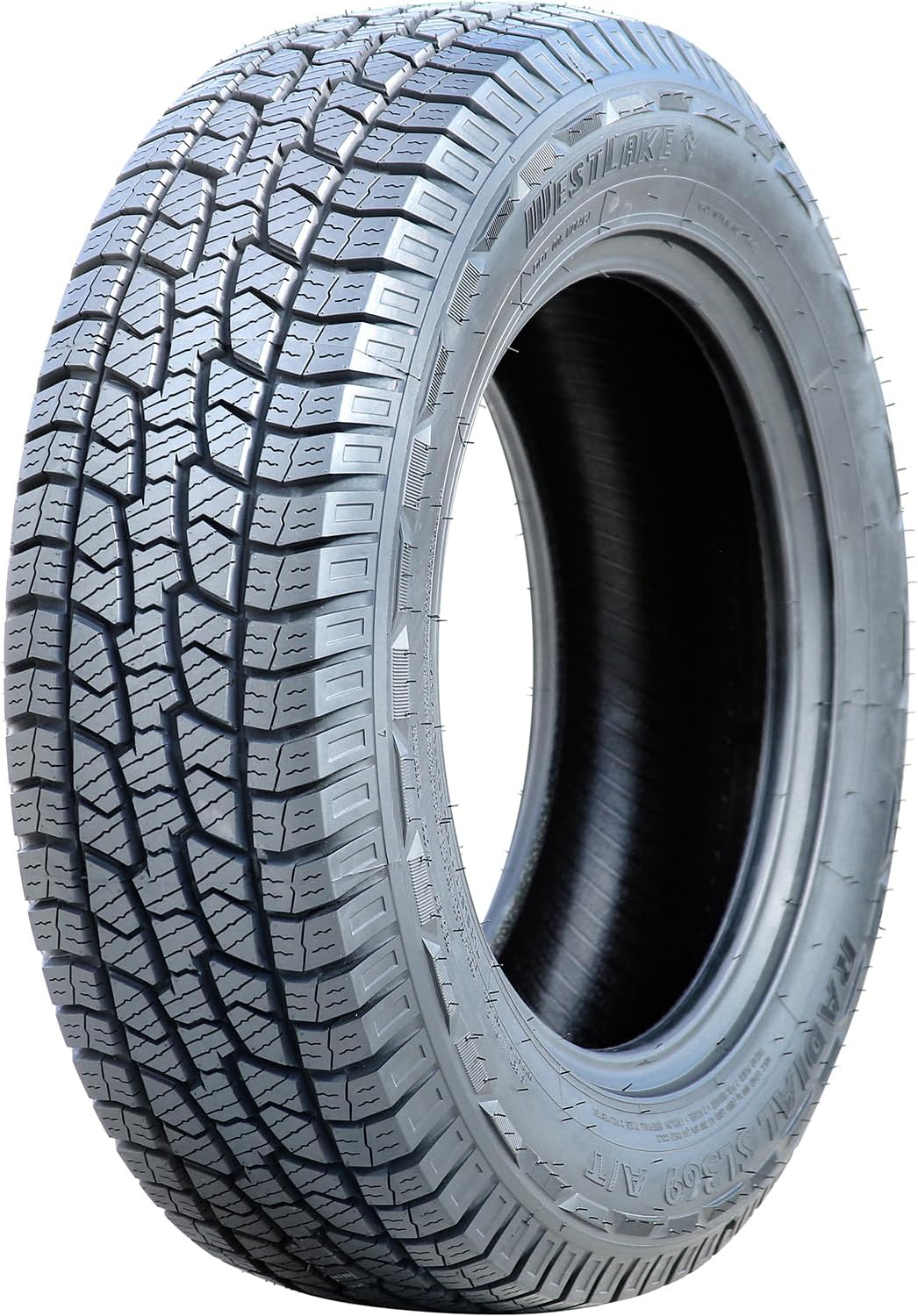
You're standing in the tire bay, tracing a finger along a stepped tread block, comparing it to the name-brand rack next to it that costs almost twice as much. The question in your head is blunt: are Westlake tires any good, or are you about to learn the hard way on a wet on-ramp at highway speed. Your truck's been begging for real tread since the last set went bald crossing gravel roads to the cabin, and the sipes on this one look deep enough to trust. But cheap and capable aren't always the same tire.
How the Westlake SL369's tread actually works
Here's what the tread is actually doing. The SL369 runs a directional pattern with rigid tread blocks and a dense sipe layout, sipes being the thin slits cut across each block. Under braking, those sipes open up slightly and bite into wet pavement the way a stack of cards grips a table better than one smooth sheet, which is why the braking claim isn't just marketing, it's geometry. The variable pitch design, meaning the tread blocks aren't spaced identically around the circumference, breaks up the hum a uniform pattern would otherwise create at speed, so the cabin stays quieter than the aggressive look suggests. The stepped, aggressive block pattern that gives it bite in mud and gravel comes with a trade-off worth checking for at install. Aggressive tread means the tire's mass isn't distributed as evenly around the circle as it is on a smooth highway tire, so getting it truly round and balanced takes more care, not less. A rushed static balance on a machine that skips road-force is where a shimmer at highway speed comes from, and that's on the install, not the rubber. Ask for a road-force balance specifically, it's a five-minute conversation that decides whether this tire feels like a bargain or a headache. At 2,756 pounds of load capacity per tire and a T speed rating, this is built for a truck doing truck things, not a car chasing top speed, and the year-round compound leans more toward snow and gravel than track days.
So here's the reframe: you're not buying a quiet luxury tire, you're buying traction and load capacity at a price that leaves room in the budget for the road-force balance the tread pattern actually needs. Skip that step and you're paying for a problem instead of a tire. Get it right at install and the tread does exactly what the description promises, on pavement and off it.
Who the Westlake SL369 is for, and who should skip it
Worth it if
- Your truck spends real time on gravel, mud, or snow
- You want strong traction and load capacity without premium-brand pricing
- You're willing to ask the shop for a road-force balance at install
- You need a tire rated to carry real cargo, not just commute
Skip it if
- You want a whisper-quiet highway tire straight out of the box
- You're not going to specify road-force balancing at install
- Your driving is almost entirely smooth pavement commuting
Not for drivers who want silent highway manners without an extra conversation with the tire shop.
Is the Westlake SL369 worth it, in the end
If your truck spends real time on gravel, mud, or snow and you tell the shop to road-force balance the set, this is a quiet yes, a lot of tire for the money. If you want whisper-quiet highway manners straight out of the box with no extra conversation at install, spend the money on something else. Either way, ask about balancing before you ask about price.
Picture the morning you swap these on and point the truck down the gravel road to the cabin without babying it, because the tread is finally doing its job instead of you doing the tread's job. That's the whole point of new tires: the doubt goes away and you stop thinking about the road under you. Get the balance right at install and this becomes one of those upgrades you forget about, which for a tire is the highest compliment there is.
Amazon shoppers rate it 4.3 out of 5 across 194 ratings. That is their number, not ours.
Before you go
Who manufactures Westlake tires?
Westlake tires are made by Zhongce Rubber Group (ZC Rubber), one of the larger tire manufacturers out of China, sold under a value-focused brand name for the US market.
How long will Westlake tires last?
Expect tread life more modest than a premium all-terrain tire, since the compound and warranty tier are built to match the lower price, so rotate them on schedule and don't expect flagship mileage.
What are the common problems with Westlake tires?
The main one traces back to the aggressive stepped tread block pattern itself, which makes precise wheel balancing more important than on a quieter highway tire, so a shimmer at speed is usually an install issue, not a defect.
Which is better, Westlake or Apollo tires?
Both sit in the same value tier, so the better choice comes down to which tread pattern matches your driving, aggressive off-road bite from the SL369 or Apollo's broader range aimed more at everyday pavement use.
By the numbers
earn an unconditional yes at full priceOut of 137 automotive products we have reviewed. This one is a yes with a condition attached.
other reviews field the same questionHow long will Westlake tires last?
comes up across our automotive coverage, not just here — one of the things worth settling before you choose.
Verdict datasetQuestion indexCC BY 4.0
Full spec sheet
| Rim Size | 18 inches |
|---|---|
| Load Index | 116 |
| Speed Rating | T |
| Load Capacity | 2756 pounds |
| Tread Type | Directional |
| Automotive Fit Type | Universal Fit |
| Construction Type | radial |
| Seasons | Year Round |
Keep comparing


More automotive reviews.