Is Nizoral Anti-Dandruff Shampoo Worth It for Your Scalp?
Worth it, if your flaking is fungal, not just dry-scalp
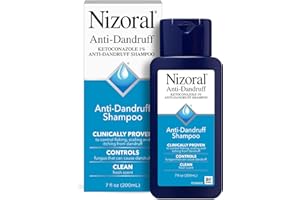
Why the flakes keep coming back no matter what you wash with
You wash, you dry, you put on the dark sweater anyway, and by lunch there's a fine dusting on your shoulders again. The itch that comes with it isn't just annoying, it's the kind that makes you dig a fingernail into your scalp mid-meeting. You've tried the purple bottle from the drugstore aisle and it helped for about a day, which is the real question behind any nizoral anti-dandruff shampoo review: is your scalp actually flaking, or is something living on it that a regular shampoo can't touch?
How ketoconazole 1% actually stops dandruff at the root
Here's the mechanism worth digging out from under the marketing: most dandruff shampoos work by loosening flakes or slowing skin cell turnover, using zinc pyrithione or selenium sulfide to manage the symptom. Nizoral does something different because ketoconazole 1% is an antifungal, not an exfoliant. Your scalp naturally hosts a yeast called Malassezia, and in some people it overgrows, feeding on scalp oil and producing byproducts that irritate the skin and speed up flaking. Ketoconazole disrupts the fungal cell membrane that yeast needs to survive, so the population drops and the irritation it was causing drops with it. That's why the label only asks for two washes a week instead of daily: the yeast needs to be knocked back, not scrubbed at, and overusing an antifungal doesn't make it work faster. The brand's own lab testing claims the active is ten times more effective against that fungus than the leading symptom-only competitor, which is a comparison of ingredients in isolation, not a promise about how fast your specific flaking will clear. The formula is also mild enough for color-treated or chemically processed hair, which matters because an antifungal shampoo that stripped color would defeat its own purpose for a lot of the people who need it most. None of this touches hair regrowth: the mechanism is fungal control on the scalp surface, not follicle stimulation, so if your flaking is closer to plain dry skin than to an oily, itchy, yeast-driven scalp, you're aiming an antifungal at a problem it wasn't built to solve.
So the real decision isn't shampoo versus shampoo, it's diagnosis versus diagnosis. If your flaking is fungal, oily-feeling, itchy and stubborn to the usual stuff, this is worth having in the shower because it treats the cause instead of just rinsing the evidence away. If it's tight, dry, flaky skin with no oiliness or itch, you're not the person this ingredient was built for.
Who Nizoral shampoo is for, and who should skip it
Worth it if
- your flaking is oily, itchy and stubborn rather than just dry
- you want an antifungal treatment, not just a flake-loosening shampoo
- you can commit to twice-weekly use with a few minutes of contact time
- your hair is color-treated or processed and needs a gentler formula
Skip it if
- your scalp issue is dry skin, eczema or psoriasis rather than fungal dandruff
- you're hoping for a hair regrowth effect
- you need a prescription-strength 2% formula for a diagnosed condition
Not for dry-scalp flaking, eczema, psoriasis, or anyone expecting hair regrowth.
The Nizoral anti-dandruff shampoo verdict
If dandruff has been a recurring, itchy, hard-to-shift problem for you, this is a quiet yes, used twice a week and left on for a few minutes each time. It's not for dry-scalp flaking, psoriasis, eczema, or anyone hoping for a hair-growth effect, since none of those are what ketoconazole treats. Check with a dermatologist first if you're pregnant, breastfeeding, or already using other scalp medications.
That fine dusting on the dark sweater is exactly what this is built to end, not just hide until the next wash. Day one feels almost too simple: lather, wait a couple of minutes while you finish showering, rinse, and go about a week without a flake landing on your shoulders. Enough people have used this over enough washes that the sheer size of the buyer base says something on its own, and the recurring theme in how they rate it is real, sustained relief from flaking and itch once it becomes a twice-weekly habit, not a one-wash miracle. Give it a few weeks before you judge it.
Amazon shoppers rate it 4 out of 5 across 111,717 ratings. That is their number, not ours.
Before you go
Does Nizoral anti-dandruff shampoo actually work?
Yes, for dandruff caused by the Malassezia yeast, since ketoconazole 1% reduces the fungus at the root instead of just loosening flakes.
Do dermatologists recommend Nizoral shampoo?
Yes, ketoconazole is a commonly recommended over-the-counter option for fungal and seborrheic dandruff.
Who should not use Nizoral shampoo?
Anyone whose flaking comes from dry skin, eczema or psoriasis rather than fungus, since an antifungal won't treat those causes.
Does Nizoral dandruff shampoo regrow hair?
No, this 1% formula targets scalp fungus, not hair follicles, so it isn't a hair-growth treatment on its own.
Is Nizoral 2% prescription only?
Yes, the 2% strength requires a prescription in the US, while this listing is the over-the-counter 1% version.
By the numbers
beauty products reviewedThis one is a yes with a condition attached.
other reviews field the same questionDoes Nizoral anti-dandruff shampoo actually work?
comes up across our beauty coverage, not just here — one of the things worth settling before you choose.
Verdict datasetQuestion indexCC BY 4.0
Head to head
- Shampoo vs Co-Wash: What's Actually Different?
- Shampoo vs Shampoo and Conditioner: What's the Real Difference?
- Body Wash vs Shampoo: Which One Actually Belongs Where?
Keep comparing


More beauty reviews.