Shampoo vs Co-Wash: What's Actually Different?
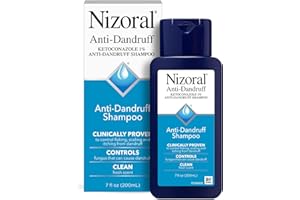
Nizoral Anti-Dandruff Shampoo with 1% Ketoconazole
Worth it, if your flaking is fungal, not just dry-scalp
- your flaking is oily, itchy and stubborn rather than just dry
- you want an antifungal treatment, not just a flake-loosening shampoo
- you can commit to twice-weekly use with a few minutes of contact time
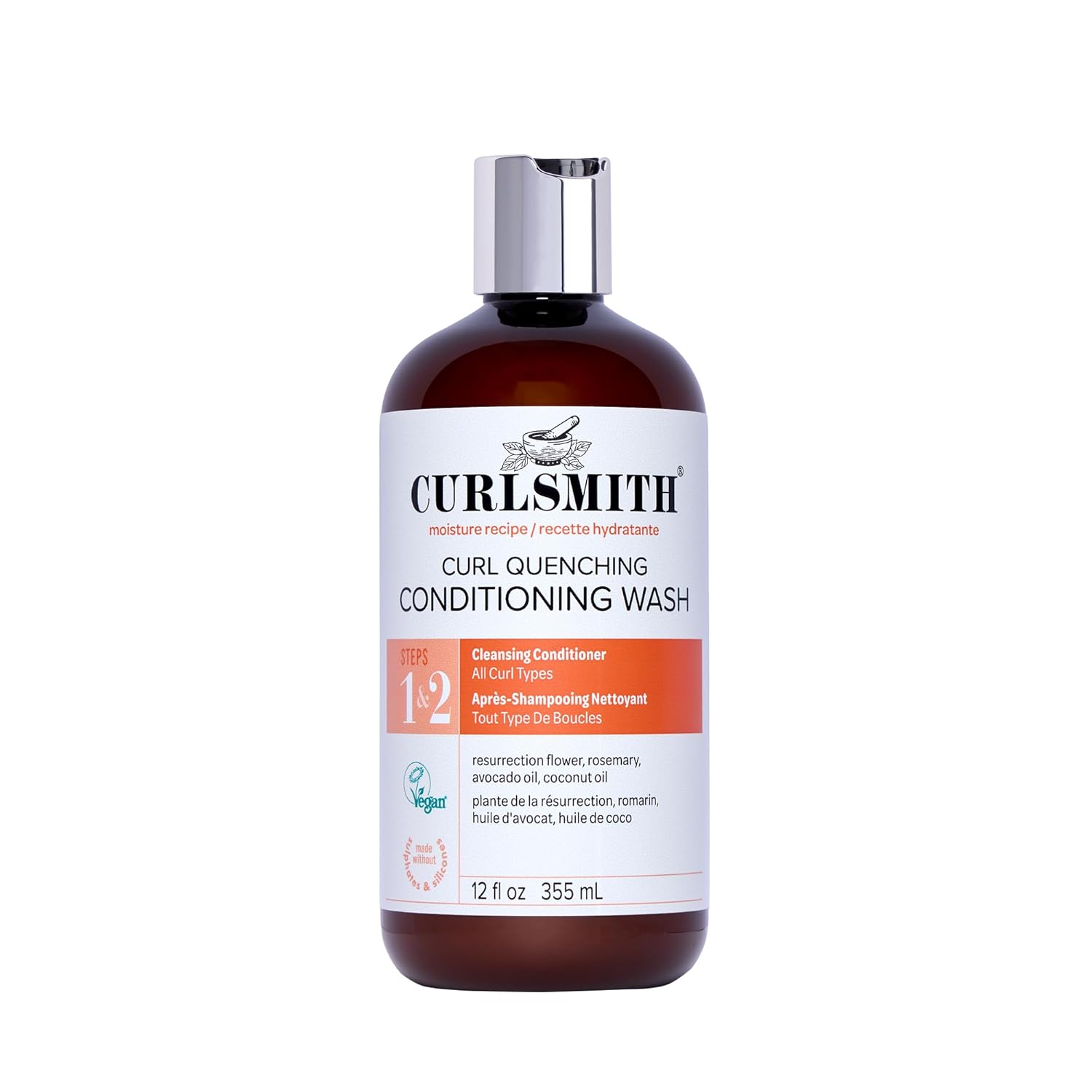
CURLSMITH Curl Quenching Conditioning Wash - Co-Wash Cleanser
Worth it, if your curls need moisture more than your scalp needs scrubbing
- your curls feel dry or frizzy within a day of shampooing
- you wash your hair often and want a gentler option between full shampoos
- you're willing to alternate with a clarifying shampoo periodically
By the numbers: both score 4/5 on our verdict scale — the split here is audience, not quality. Full dataset.
Shampoo vs Co Wash
You're standing in the shower deciding whether to fight the itch on your scalp or the frizz in your curls, and the shampoo vs co wash question keeps coming up because it sounds like a style preference. It isn't. One is a cleansing and sometimes treatment product, the other is a conditioning product that happens to clean a little. Once you know which problem you actually have, the choice mostly makes itself.
A shampoo like Nizoral works because it pairs a surfactant base with an active ingredient, in this case 1% ketoconazole, that needs a few minutes of scalp contact to do its antifungal job. The surfactant is what carries the active down to the scalp and strips away the oil and buildup the fungus feeds on. That's real cleaning power, but it's also why shampoo can leave curls feeling stripped if your hair doesn't have oil to spare. A co-wash like Curlsmith's flips the ratio: conditioning agents do most of the work, with little or no surfactant, so it loosens light dirt while leaving natural oils mostly intact. That's the entire design, not a compromise. It means a co-wash can't deliver a scalp treatment or a deep clean, and it means shampoo, especially a medicated one, isn't built to keep curls soft between washes. Different jobs, different chemistry, and neither one substitutes for the other's specific task.
Choose the shampoo if
- your flaking is oily, itchy and stubborn rather than just dry
- you want an antifungal treatment, not just a flake-loosening rinse
- you can commit to twice-weekly use with a few minutes of scalp contact time
- your hair is color-treated and needs a gentler formula for the days you do shampoo
Choose the co wash if
- your curls feel dry or frizzy within a day of a regular shampoo
- you wash often and want a gentler option for the days between full washes
- you're willing to alternate with a clarifying shampoo periodically
- you don't need a strong lather or a squeaky-clean feeling every wash
These aren't really competing for the same job. If your scalp is genuinely flaking, oily and itchy, a medicated shampoo like Nizoral treats the cause and a co-wash won't touch it, buildup will just sit there feeling clean. If your curls are the problem, drying out and frizzing within a day of shampooing, a co-wash on the in-between days solves that, but it still needs a real shampoo now and then to reset. Pick based on which one is actually complaining, your scalp or your curls.
Before you go
Should I co-wash instead of shampoo?
No, not if your scalp is oily, flaky or itchy, since a co-wash lacks the cleaning strength to treat that. Use it between shampoo days instead, not as a full replacement.
What does a co-wash do for your hair?
It cleans gently with conditioning agents rather than surfactants, removing light buildup while leaving natural oils in place, which is why curls stay soft on the days you use it.
What can I use instead of a cowash?
A regular or medicated shampoo, if your scalp needs real cleaning or a treatment like an antifungal, since co-wash formulas aren't built to strip oil or buildup.
Full verdicts: Nizoral Anti-Dandruff Shampoo with 1% Ketoconazole · CURLSMITH Curl Quenching Conditioning Wash - Co-Wash Cleanser