Body Wash vs Shampoo: Which One Actually Belongs Where?

Naturium The Glow Getter Multi-Oil Hydrating Body Wash
Worth it, if you're a dry-skin type who hates the post-shower lotion scramble
- your skin feels tight or dry right after a shower
- you want to cut the post-shower lotion step
- you prefer fragrance-free skincare
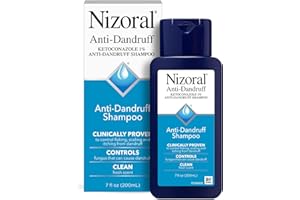
Nizoral Anti-Dandruff Shampoo with 1% Ketoconazole
Worth it, if your flaking is fungal, not just dry-scalp
- your flaking is oily, itchy and stubborn rather than just dry
- you want an antifungal treatment, not just a flake-loosening shampoo
- you can commit to twice-weekly use with a few minutes of contact time
By the numbers: both score 4/5 on our verdict scale — the split here is audience, not quality. Full dataset.
Body Wash vs Shampoo
You're standing in the shower wondering if the bottle in your hand can just do double duty today. The body wash vs shampoo question sounds like a toss-up until you look at what each formula is actually built to do. One is designed around your skin barrier, the other around your scalp's oil and buildup, and sometimes, a specific scalp condition. Grab the wrong one out of habit and you'll notice, just not right away.
The mechanism is buried under the packaging, so let's dig it out. A hydrating body wash like the Naturium one leans on glycerin and oils to cleanse without stripping, which matters because skin can tighten and feel dry within minutes of a normal wash. That's a humectant strategy, not a lather strategy, and it's why it skips the heavy fragrance and foam most people associate with 'clean.' Shampoo solves a different problem entirely. Hair and scalp produce more oil and collect more product residue than body skin does, so shampoo surfactants are built stronger to cut through that. Nizoral takes it a step further: 1% ketoconazole is an antifungal ingredient, meant to treat fungal-driven flaking and itch at the scalp, not general dryness. That's a medical mechanism riding inside a shampoo bottle, and it only does its job with contact time and repeat use, not a quick rinse. Swap the two and the mismatch shows up fast: shampoo's stronger surfactants can strip drier body skin, and a hydrating body wash can coat hair strands and leave them feeling flat instead of clean.
Choose the body wash if
- your skin feels tight or dry right after a normal shower
- you want to skip the post-shower lotion step
- you prefer fragrance-free formulas over heavily scented ones
- you have normal to dry skin, not oily or acne-prone
Choose the shampoo if
- your flaking is oily, itchy and stubborn rather than just dry skin
- you want an antifungal treatment, not just a flake-loosening rinse
- you can commit to twice-weekly use with a few minutes of contact time
- your hair is color-treated and needs a gentler medicated option
These two aren't competing for the same job, so the honest answer is to keep both and use them where they're built to work. If dry, tight-feeling skin is your problem, a hydrating wash like the Naturium one is a genuine daily fix. If your scalp flaking is fungal, oily and itchy rather than just dry, Nizoral earns its place, but only with the twice-weekly routine it's designed around. Neither one covers for the other well.
Before you go
Is it okay to use shampoo as a body wash?
No, shampoo surfactants are built to cut oil and buildup from hair and scalp, which can strip drier body skin; an occasional swap won't hurt, but it's not a daily habit worth keeping.
Can I use body wash on my hair?
No, a hydrating body wash like this one relies on oils and humectants that can coat hair strands, leaving hair feeling weighed down rather than clean.
Full verdicts: Naturium The Glow Getter Multi-Oil Hydrating Body Wash · Nizoral Anti-Dandruff Shampoo with 1% Ketoconazole