Is a 3D printer worth it?
Worth it if
A 3D printer is worth it if you will print often enough to justify learning a slicer, managing settings, and doing basic upkeep. It makes the strongest case when you need custom or functional parts rather than occasional decorative objects.
Skip it if
Skip a 3D printer if you want a fully hands-off appliance or will print only occasionally. The machine still asks you to prepare files, manage settings, and maintain parts such as the nozzle and platform.
Related product reviews to help you decide
$43–$249 across these picks, at time of writing
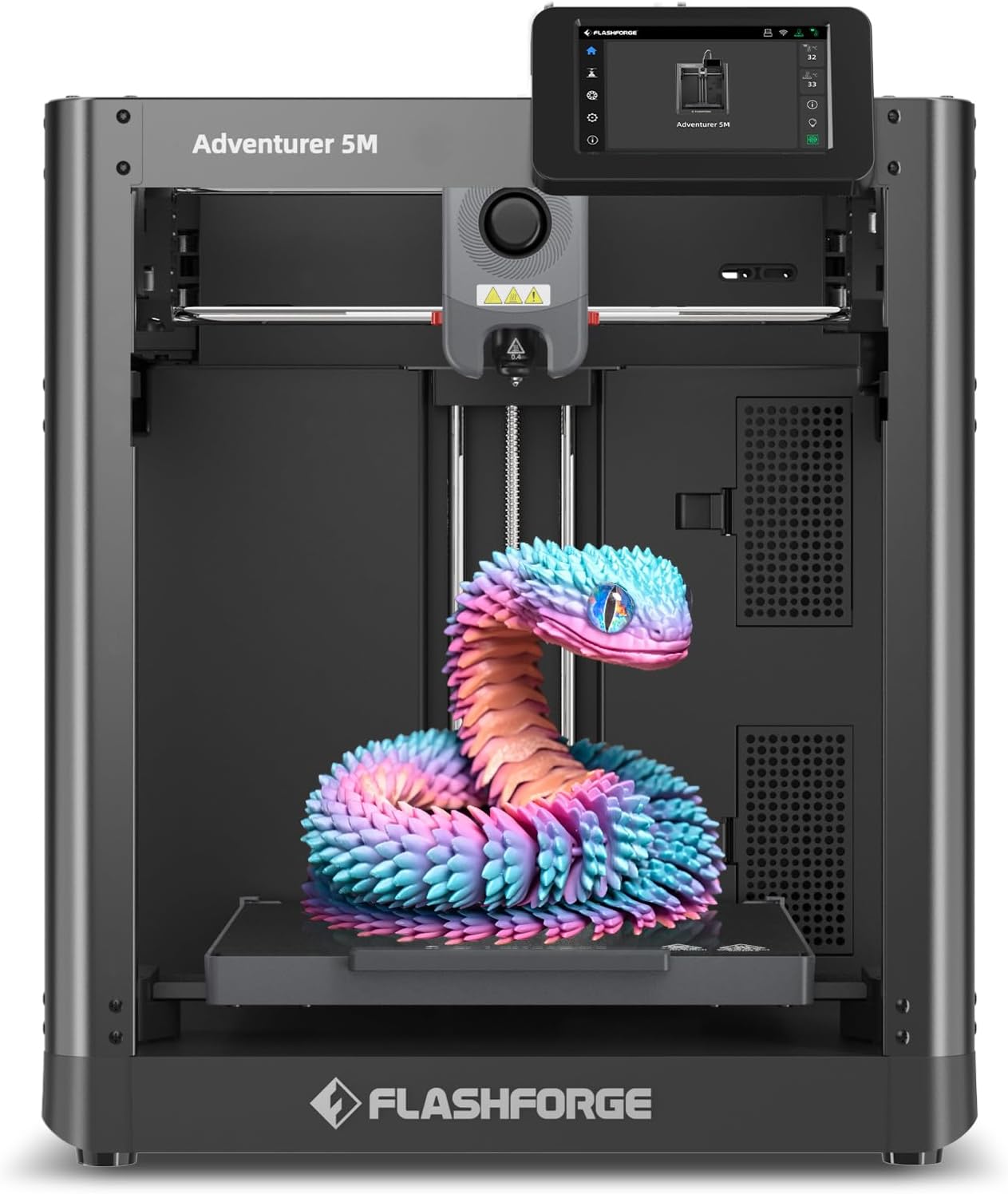

Is a 3D printer worth it once you count the work?
A 3D printer turns a digital model into a physical object by building it layer by layer. You prepare or create a file, use slicing software to translate it into printer instructions, and then the machine deposits material according to those settings. The object appears gradually, not instantly, so the purchase creates a small production process rather than a one-button appliance.
That process is where the value goes. If you print often, making a replacement part, prototype, or functional object on demand can be more useful than buying another finished item. The category also leaves room for practical choices: materials differ, and changing nozzle sizes or materials may involve handling parts and adjusting settings.
The marketing skips this part: convenience is partly software and upkeep. You may need to manage the first layer, clean the nozzle and platform, and deal with filament that tangles, snags, or has absorbed moisture. A printer that reduces manual leveling can remove one recurring chore, but it does not remove the need to slice files or understand the basic settings.
So the real question is not whether the printer can make objects. It is whether you have enough repeat work to make the setup, consumables, and maintenance feel like a useful routine. For frequent functional printing, that can be a sensible trade. For rare decorative prints, it is mostly another machine waiting for attention.
It earns its place for
- People who will print custom or functional parts regularly
- Buyers willing to learn slicing and manage print settings
- Owners comfortable with basic nozzle and platform upkeep
- Users who may change materials or nozzle sizes over time
Save your money if
- You want a fully hands-off appliance
- You will print only occasional decorative objects
- You are not ready to slice files and manage settings
Think in completed prints, not print hours alone: the category makes more sense when it replaces repeated purchases, waiting for custom parts, or other small fabrication tasks you would otherwise handle separately.
Before you decide
What are the downsides of using a 3D printer?
The downsides are a learning curve, file and setting management, filament handling, and basic upkeep such as cleaning the nozzle and platform. It is not a fully hands-off appliance.
How much does it cost to run a 3D printer for 2 hours?
The cost depends on electricity use, filament consumed, and local rates, so two hours alone is not enough to calculate it. Count material and power separately.
How hard is it to learn 3D printing?
It is manageable if you are willing to learn slicing and basic settings, but it is not instant. You also need to handle filament and perform routine upkeep.
Is a 3D printer worth it for occasional decorative prints?
No, not usually. Occasional decorative printing may not justify learning the software, managing settings, handling filament, and maintaining the printer.
A 3D printer is worth it for a hands-on owner who will print regularly, learn slicing, and use the machine for custom or functional objects. It is not worth it as a zero-maintenance impulse purchase or for rare decorative prints. The strongest case is repeated use: enough projects for the setup, filament management, nozzle and platform cleaning, and occasional adjustments to earn their place. If that sounds like a chore you will avoid, skip the printer.
Every computers product we have reviewed: computers reviews.