Are Robot Vacuums Worth It?
Worth it if
Worth it if your floors are a genuine mix of hard surface and low to medium pile carpet, you've got pets shedding daily, and you'd rather run something small every day than haul out a full vacuum once a week.
Skip it if
your rugs are thick, shag or high pile, your floor is a maze of cords and low furniture, or you actually want one deep clean rather than a daily light pass.
Related product reviews to help you decide
$100–$300 across these picks, at time of writing


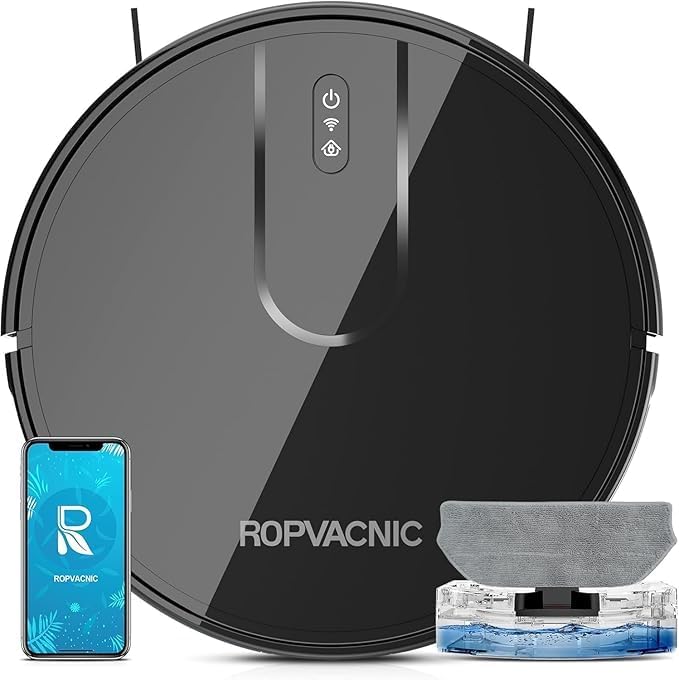
Are robot vacuums worth it once you look at how they actually clean?
Are robot vacuums worth it, or is the whole idea just outsourcing a chore to something that gets stuck under the sofa? Start with what the machine is actually built to do. It maps a floor with LiDAR or camera sensors, then drives a fixed pattern, usually a straight-line grid, over that map. That grid pattern is the mechanism worth understanding, because it explains both the strength and the limit in one move.
A grid pattern means the robot passes over every reachable inch on a schedule, not just the visibly dirty patch. That's why daily light passes beat one big weekly session for pet hair and crumbs, the mess never gets the chance to build up into a job. But the same fixed pattern is what snags on a charging cord, wedges under a low shelf, or stalls out trying to climb from hardwood onto a thick pile rug it reads as an obstacle rather than a floor.
Suction and brush design decide the second half of the story. Anti-tangle brush systems and side sweepers exist because pet hair wrapping around a spinning roller is the single most common failure point owners report, and a design that fights tangling keeps the robot running longer between manual untangling sessions. Self-emptying bases extend the gap between you and the bin, but they don't remove the need to empty it eventually, and they don't touch the floor differently than a robot without one.
What this changes about your day is smaller than the marketing suggests, and more useful than skeptics assume. You stop scheduling a vacuum session and start living with floors that never quite get the chance to look neglected. That's the whole trade: less peak effort, more small ongoing presence. It doesn't replace a real deep clean on thick carpet, and it won't rescue a floor plan full of cords and clutter. It replaces the daily grime a full-size vacuum was overkill for anyway.
It earns its place for
- Homes with a genuine mix of hard flooring and low to medium pile carpet
- Pet owners dealing with daily shedding onto floors and rugs
- People who'd rather run something small daily than vacuum once a week
- Anyone comfortable setting a schedule through an app and doing occasional bin or maintenance work
Save your money if
- Your carpet is thick, shag, or high pile
- Your floor plan has a lot of cords, low furniture, or clutter
- You want one deep clean rather than daily light passes
- You're in a multi-level home without a robot per floor
Think of it as replacing the twice-weekly quick vacuum, not the deep clean; the honest math is in how many manual sessions per month it removes from your week, not a per-use price.
Before you decide
What are the downsides of robot vacuums?
They struggle with thick or high-pile rugs, cords, and low furniture, and most still need occasional manual bin emptying, brush untangling, or app troubleshooting.
Do robot vacuums actually work well?
Yes, on mixed hard floor and low to medium pile carpet with regular scheduling, though they clean less thoroughly at edges and on deep pile than a full-size vacuum.
How many times a week should I run a robot vacuum?
Daily or near-daily suits most homes with pets, since the mechanism is built for frequent light passes rather than one deep weekly clean.
What is the #1 robot vacuum?
No single model suits every home; the right pick depends on your floor mix, pet hair load, and whether you want a self-emptying base or hands-on bin work.
Are robot vacuums worth it? Yes, for a specific home: mixed hard floor and low to medium pile carpet, a pet shedding onto both, and a preference for daily upkeep over a weekly chore. The grid-pattern mechanism that makes them reliable on open floors is the same one that trips on cords, clutter, and thick rugs. Know your floor plan before you know your answer.
Every home & garden product we have reviewed: home & garden reviews.