Is a Gaming Laptop Worth It?
Worth it if
A gaming laptop is worth it if gaming is a real priority and you want demanding games plus creative software in one machine, without building or housing a desktop. The fit is strongest if you will usually play plugged in at a desk or near an outlet.
Skip it if
Skip a gaming laptop if you need several hours of unplugged work, fan noise under load is a dealbreaker, or you already own a desktop with equal or better GPU performance. If you only browse, work in office apps and stream, dedicated graphics may be wasted.
Related product reviews to help you decide
$50–$1394 across these picks, at time of writing
 MNN Portable MonitorWorth it, if you're the right kind of travelerRead the review
 ASUS ROG Strix G16 ReviewWorth it, if you know what you're trading for portabilityRead the review
 HP Victus Gaming Laptop ReviewWorth it, if 1080p is the pointRead the review
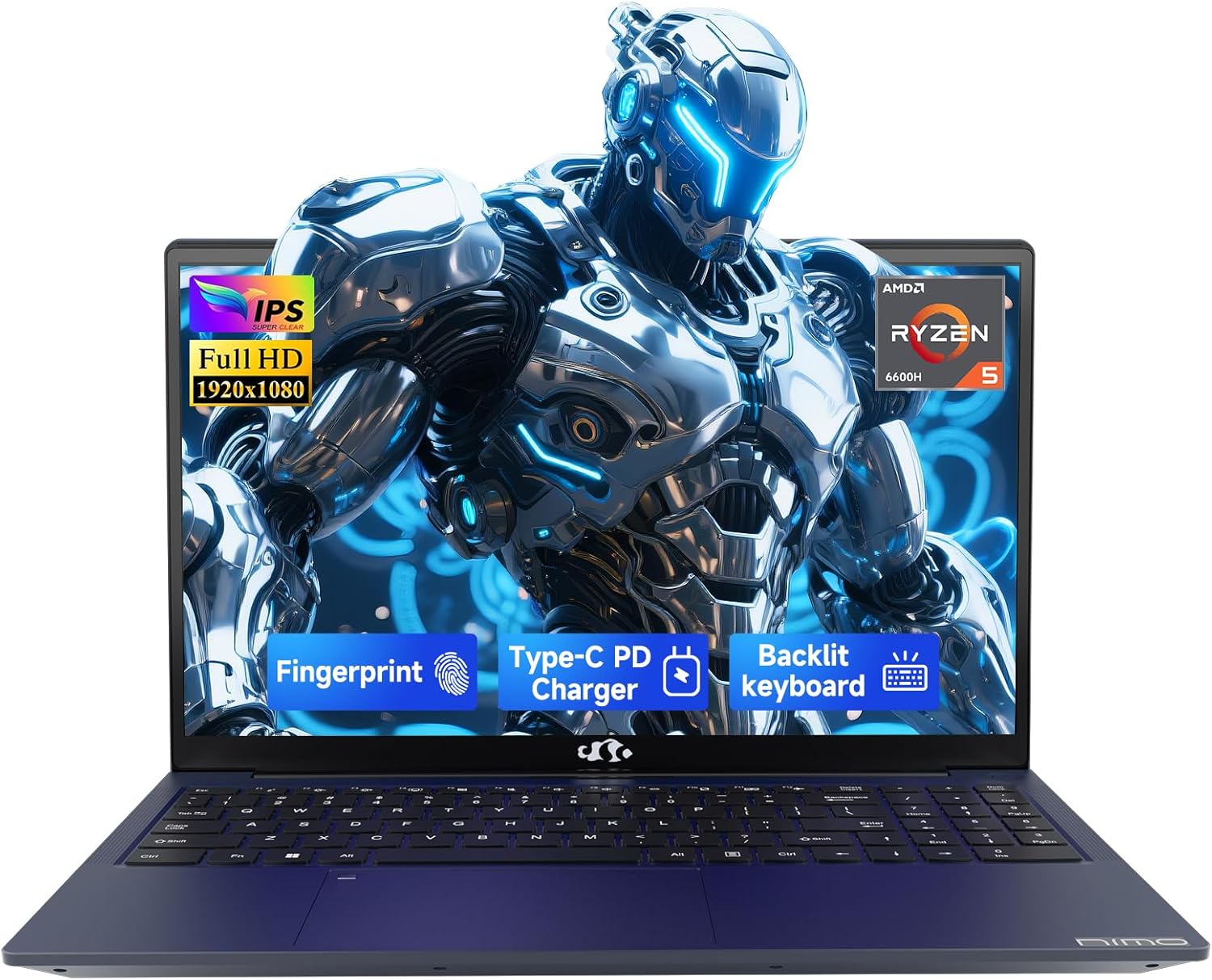 NIMO LaptopWorth it for everyday use, not for real gamingRead the review
How a gaming laptop earns its place in your day
The marketing skips this part: a gaming laptop is a portable computer built around dedicated graphics, not merely a laptop with a brighter screen. That graphics hardware processes game visuals alongside the processor, memory and storage, so the machine can handle demanding games and, in some cases, creative software on the same device.
The trade is physical. More capable gaming hardware draws more power and produces more heat under load. The laptop therefore needs active cooling, which can mean fan noise, while its battery becomes a weaker fit for long unplugged sessions. That makes the useful question less about whether a gaming laptop is portable and more about whether you will accept a plugged-in desk setup for access to its gaming performance.
The display changes the answer too. A 144Hz or 165Hz screen matters when smoother motion matters to how you play, while a Full HD target keeps the decision focused on 1080p gaming rather than a higher-resolution requirement. One gaming laptop can replace a separate gaming desktop and an everyday computer for some buyers, but it cannot remove the compromises of a portable, power-hungry machine.
It earns its place for
- You want desktop-level gaming performance without building or housing a desktop.
- You need one machine for demanding games and creative software.
- You care about a 144Hz or 165Hz display for how you play.
- You will mostly use the laptop plugged in at a desk or near an outlet.
Save your money if
- You need several hours of unplugged battery life for travel or work.
- Fan noise under load is a dealbreaker in your space.
- You already own a desktop with equal or better GPU performance.
- You only need browsing, office work and streaming, not dedicated graphics.
Think in replacements, not labels: the purchase makes more sense when one machine replaces a gaming desktop and your everyday computer. If it mainly replaces a laptop used for light work, dedicated graphics may sit idle much of the time.
Before you decide
What are the downsides of a gaming laptop?
The main downsides are weaker unplugged practicality and fan noise under load. Skip one if you need long battery sessions or already have a desktop with equal or better GPU performance.
Is a $500 gaming laptop worth it?
Yes, if the specific model meets your actual gaming target and you accept the laptop’s battery and fan-noise trade-offs. No, if you expect demanding games without checking its graphics hardware and display.
Is a $1000 gaming laptop worth it?
Yes, if demanding gaming, portability and one-machine convenience justify a plugged-in setup. No, if you mainly need light everyday work or already own a desktop with equal or better GPU performance.
Is it worth buying a gaming laptop in 2026?
Yes, if you need demanding games in a portable machine and will usually play near an outlet. No, if long unplugged work, quiet operation or an existing capable desktop matters more.
A gaming laptop is worth it when demanding games are a genuine priority, portability means moving one machine between places, and you will usually play plugged in. It is a poor fit for long unplugged work, noise-sensitive spaces, light everyday use alone, or buyers who already have an equally capable desktop. Buy the gaming capability you will actually use.
Every computers product we have reviewed: computers reviews.