Are Steam Mops Worth It?
Worth it if
Worth it if your kitchen and bathroom floors are sealed tile, vinyl, or linoleum, you want a chemical-free clean finished in under ten minutes, and you're mopping near an outlet rather than across a sprawling floor plan.
Skip it if
your floors are laminate or unsealed hardwood, or if you were hoping one machine would also handle grout lines and carpet, because that's a different appliance wearing this one's marketing.
Related product reviews to help you decide
$69–$100 across these picks, at time of writing

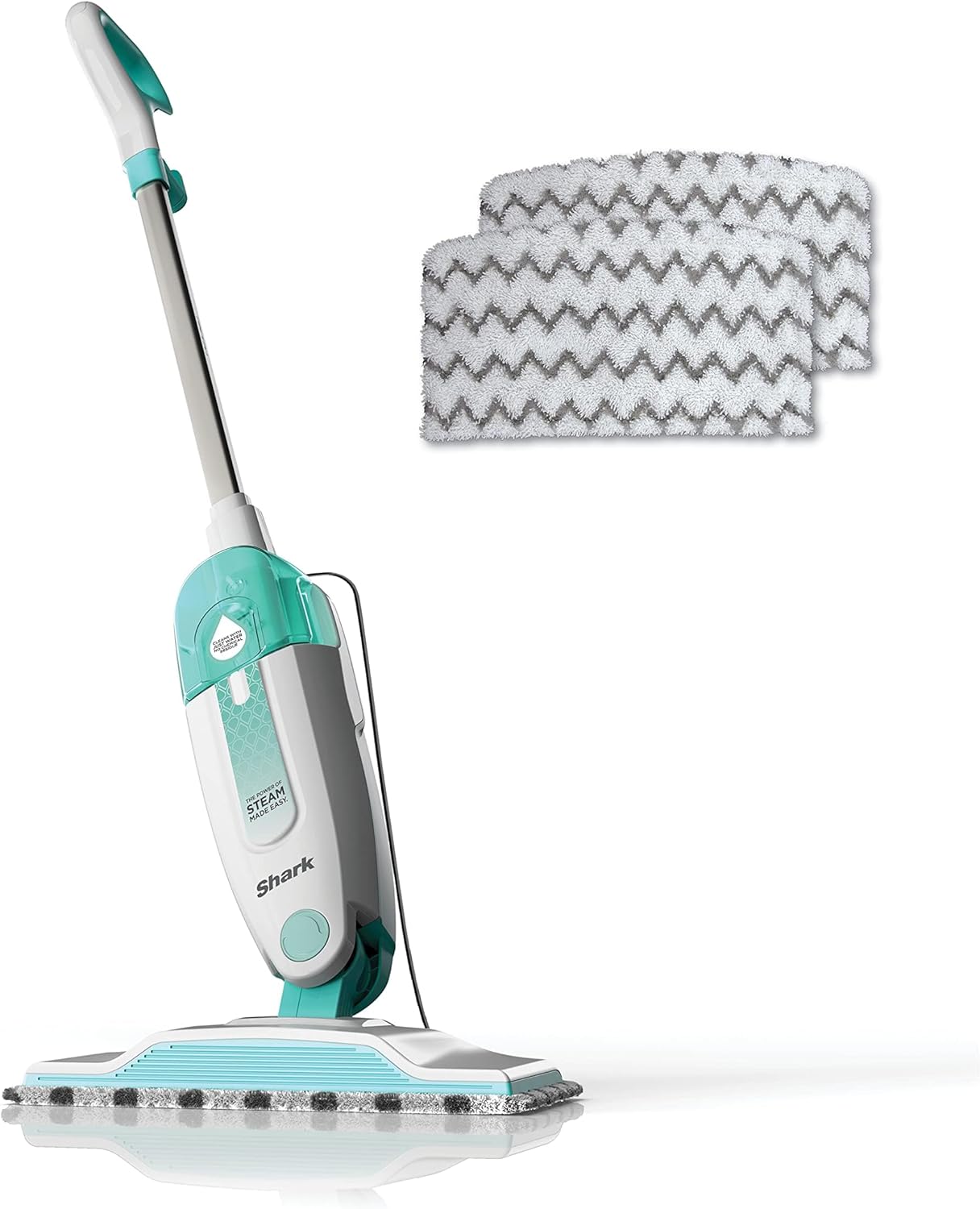
Are steam mops worth it once you know what the steam is actually doing?
Are steam mops worth it comes down to one physical fact: the water in the tank is heated past boiling and forced out as vapour, and vapour carries far more loosening power per drop than the same water left cold and wiped around with a cloth. That's the whole mechanism. Heat softens grease and dried spills, the pad lifts what's been softened, and you're not spraying a cleaning solution across a surface your kids and pets walk on barefoot an hour later.
But steam only helps a surface it can actually get under, and that's the catch the photo won't tell you. Sealed tile, vinyl and linoleum have a closed surface, so the heat sits on top and does its softening work there. Laminate and unsealed hardwood are a different story: steam finds the seams and the pores, and what looks like a clean floor today is swelling and warping wood fibre you won't see until months later. This isn't a durability quirk, it's the mechanism working exactly as designed on the wrong surface.
The other thing the tank size and cord length quietly decide is how much floor you're covering per fill and per plug reach. A compact steam mop is built for a kitchen-and-bathroom rhythm, not a lap of an entire open-plan ground floor, so if your walk from outlet to far wall is long, you're stopping to refill or unplug and drag more than you're mopping.
None of that makes the category a gimmick. It makes it a tool matched to a specific floor type and a specific room size, and a year from now the answer to whether it's worth it is written into your grout lines and your baseboards, not into how it looked in the unboxing.
It earns its place for
- Owners of sealed tile, vinyl, or linoleum kitchens and bathrooms
- People who want a chemical-free floor clean finished quickly
- Small households or apartments with limited storage space
- Anyone mopping near a wall outlet rather than across an open floor plan
Save your money if
- Your main floors are laminate or unsealed hardwood
- You need to cover a large, sprawling floor plan
- You're hoping one machine also deep-cleans grout or carpet
A steam mop replaces a bucket, a mop head, and a bottle of floor cleaner you'd otherwise buy on repeat, so weigh it against what you're currently spending on solution refills, not against doing nothing.
Before you decide
What are the disadvantages of using a steam mop?
It can warp laminate or unsealed hardwood, the cord and tank limit how much floor you cover per session, and it won't deep clean grout lines or carpet the way a dedicated tool would.
Is steam mopping better than mopping?
Yes, on sealed hard floors, because heat loosens grease and dried spills that cold water and a cloth just push around instead of lifting.
Why are my floors still dirty even after steam mopping?
The pad may be saturated and just redistributing grime, or the floor has buildup steam alone can't cut through, so a pre-sweep and a fresh pad usually fix it.
What is the healthiest way to mop floors?
Steam on sealed hard floors is one of the healthier options since it skips added cleaning chemicals, provided the surface is rated for it.
A steam mop earns its place if your floors are sealed tile, vinyl or linoleum and you want a fast, chemical-free clean in a kitchen or bathroom sized space. It doesn't earn its place on laminate, unsealed hardwood, or across a house where the cord can't reach. Match the machine to the floor first. Everything else is just a pad and a tank.
Every home & garden product we have reviewed: home & garden reviews.