Are gaming laptops worth it?
Worth it if
Gaming laptops are worth it if you need demanding games and creative software in one portable Windows machine, especially when desktop-level performance matters but building or housing a desktop does not. They make the clearest case when you play mostly plugged in.
Skip it if
Skip a gaming laptop if you need several hours of unplugged work, quiet operation under load, or already have a desktop with equal or better graphics performance. A lightweight everyday laptop is not a substitute for dedicated graphics in sustained gaming.
Related product reviews to help you decide
$50–$1394 across these picks, at time of writing
 MNN Portable MonitorWorth it, if you're the right kind of travelerRead the review
 ASUS ROG Strix G16 ReviewWorth it, if you know what you're trading for portabilityRead the review
 HP Victus Gaming Laptop ReviewWorth it, if 1080p is the pointRead the review
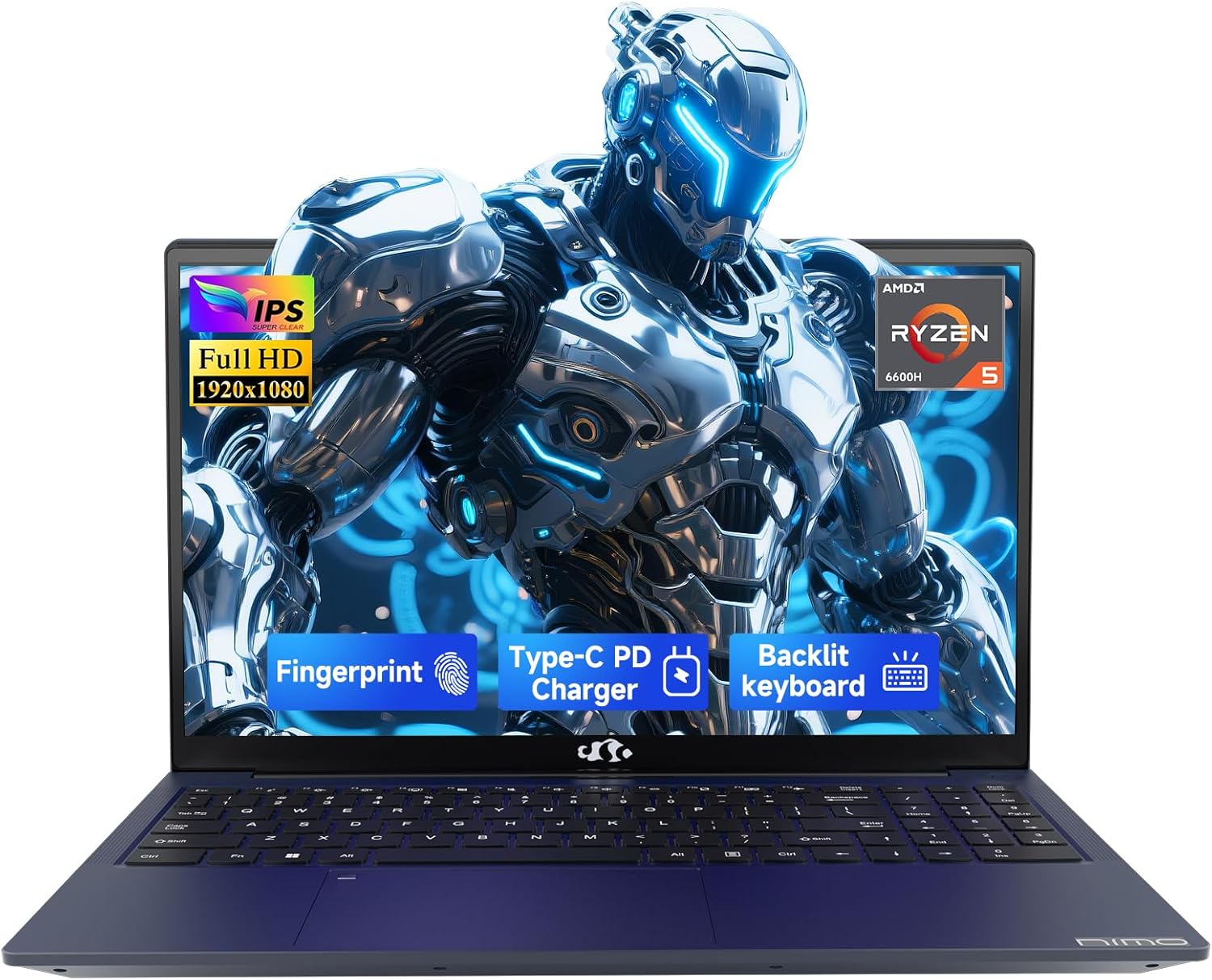 NIMO LaptopWorth it for everyday use, not for real gamingRead the review
How gaming laptops make portable performance possible
The useful distinction is simple: gaming laptops are built around dedicated graphics hardware rather than relying only on the processor's integrated graphics. That hardware handles much of the game's visual workload, which is why the category can target demanding games and higher-refresh play in a portable computer. The trade is not hidden. More demanding hardware needs power, so the machine makes the most sense near an outlet and may produce fan noise under load.
A gaming laptop also combines the display, keyboard, processor, graphics hardware and storage in one device. That removes the need to build or house a separate desktop, and it lets the same machine handle creative software. The click is portability with a boundary: you carry the performance, but you do not get desktop convenience without accepting the laptop's power and cooling compromises.
Display choice changes the decision too. A Full HD 144Hz or 165Hz screen makes sense when refresh rate matters to how you play. It is less compelling if you specifically want resolution above 1920×1080, or if your use is mostly documents, browsing and streaming. That is where a lighter everyday laptop can be the cleaner purchase.
Here's where your money actually goes: dedicated graphics capability and a portable chassis, not effortless battery life. If that combination replaces both a gaming computer and a separate general-use laptop, the category has a clear job. If it only duplicates a desktop you already own, the case is much weaker.
It earns its place for
- You want demanding games and creative software on one portable machine.
- You need desktop-level gaming performance without building or housing a desktop.
- You will mostly play at a desk, near an outlet.
- A 144Hz or 165Hz display matters to how you play.
- You want Full HD gaming rather than a screen above 1920×1080.
Save your money if
- You need multiple hours of unplugged battery life for travel or work.
- Fan noise under load is a dealbreaker in your space.
- You already own a desktop with equal or better GPU performance.
- You want only browsing, office work and streaming, without dedicated graphics needs.
Think in replacement terms: the value improves when one machine covers gaming, creative software and everyday computing instead of duplicating a desktop. Cost per use is strongest when you play or work on it regularly and can stay near power.
Before you decide
What is the disadvantage of a gaming laptop?
The main disadvantage is the trade-off around portability: gaming laptops make the most sense plugged in and can produce fan noise under load, so they are a weaker fit for long unplugged work or quiet spaces.
How long do gaming laptops typically last?
There is no reliable lifespan in the supplied evidence. Judge the purchase by how often you will use its gaming and creative capabilities, rather than assuming a fixed number of years.
Is $1000 enough for a gaming laptop?
Yes, if the available model matches your target resolution and refresh rate and has the dedicated graphics capability you need. Do not treat a budget alone as proof of game-specific performance.
Is a $500 gaming laptop worth it?
Yes, if your expectations are limited to the games and settings the specific hardware can support. No, if you expect modern games at real settings without checking the graphics hardware first.
Yes, gaming laptops are worth it for buyers who need demanding games or creative software in a portable machine and will use it mostly plugged in. The category is a poor fit for several hours of unplugged work, quiet rooms, or owners who already have comparable desktop graphics performance. Choose the screen resolution and refresh rate around the games you actually play, not the label. For the right setup, it replaces a desktop-sized commitment. For everyone else, it is expensive hardware with a narrower job.
Every computers product we have reviewed: computers reviews.