Are Bottle Warmers Worth It?
Worth it if
Worth it if you're feeding away from home often, need one warmer that handles both breast milk and water correctly, or need enough capacity to cover more than one feed without hunting for an outlet.
Skip it if
you feed almost entirely at home near a plug, or you were expecting to drop a full pre-made bottle straight in rather than fill it directly.
Related product reviews to help you decide
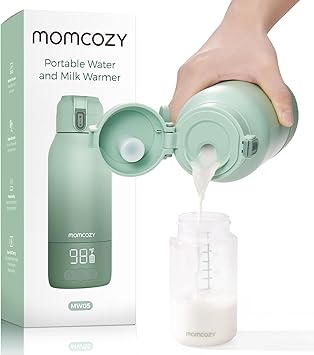
So are bottle warmers worth it, or is a bowl of hot water just as good?
Are bottle warmers worth it, or is a bowl of hot water just as good? The honest answer sits somewhere in the middle, and it comes down to what the warmer is actually doing while you stand there at 3am with a screaming baby and no patience left.
A bottle warmer works by circulating heat evenly around the bottle, usually through water immersion or a heated chamber, so the milk warms from the outside in without hot spots. Milk left in a microwave or a mug of hot water heats unevenly, which means you're testing drops on your wrist and hoping you got it right while your baby's cries get louder in the next room. The warmer's whole job is to take that guesswork off your plate.
That matters more than it sounds. The 3am version of you is who this is really for, not the calm daytime you who has ten spare minutes and full attention. A warmer that reaches a safe, consistent temperature in a few minutes changes that moment from a stressful improvisation into a routine you can do half asleep.
Where the mechanism actually earns its keep is portability. A plug-in warmer sitting on your kitchen counter is solving a problem you may not have if you're always home anyway. A battery-powered warmer solves a different problem: no outlet, no time to boil water, and a baby who needs feeding right now, wherever you happen to be. That's a real distinction, not a marketing flourish.
The other honest limitation is capacity and fill method. Some warmers need milk poured directly in rather than accepting a full assembled bottle, and if you weren't expecting that step, it changes how the whole routine feels. Match the warmer to the day you actually have, not the nursery photo of a spotless counter with everything already set up.
It earns its place for
- Parents who feed away from home most days
- Anyone bottle-feeding both breast milk and formula who wants one consistent method
- Households without a reliable outlet during the day
- Parents doing multiple feeds who don't want to refill or reheat repeatedly
Save your money if
- You feed almost entirely at home near a plug
- You expected to drop a full assembled bottle in rather than fill it directly
- You don't want to manage a battery recharge schedule
Think of it as replacing a kettle-and-bowl routine with a single device: worth the counter space or bag space if you'd otherwise be warming milk multiple times a day, less so if you're an occasional cold-milk feeder.
Before you decide
Do you really need a baby bottle warmer?
No, not strictly. Cold or room-temperature milk is fine for most babies, but a warmer helps if your baby refuses cold milk or you feed away from home often.
What are the downsides of using bottle warmers?
Downsides include another device to clean, a battery to recharge if it's portable, and some models needing milk poured in rather than accepting a full bottle.
Is it better for a baby to have warm or cold formula?
Neither is medically necessary. Most babies drink either happily, so this comes down to your baby's preference, not a safety requirement.
Can you leave a bottle warmer on all night?
No, standard bottle warmers aren't designed to hold milk warm for hours unattended. Warm milk and long standing time is a food safety risk, not a convenience feature.
A bottle warmer earns its keep for feeding away from home, or when you need one device that handles breast milk and water correctly without a kettle nearby. If you're almost always home near a plug, or expected to drop a whole bottle in rather than fill it, the honest boring answer is you probably don't need one. Match the tool to your actual feeding pattern, not the ideal one on the box.
Every baby product we have reviewed: baby reviews.