Is the Oura Ring 5 Actually Worth It?
Worth it, if you'll pay the subscription

Why sleep trackers make you check your phone before your body
You wake up, glance at your phone before you check the actual time, and there's a sleep score waiting for you. That's the entire pitch for a smart ring: it already knows how you slept, how hard your heart worked overnight, whether something's brewing before you feel it. The question that sends people digging through Reddit threads asking if the Oura Ring is actually worth it doesn't usually show up on day one. It shows up a few months later, when the free trial ends and the app asks for money again.
How the Oura Ring 5 actually works, subscription included
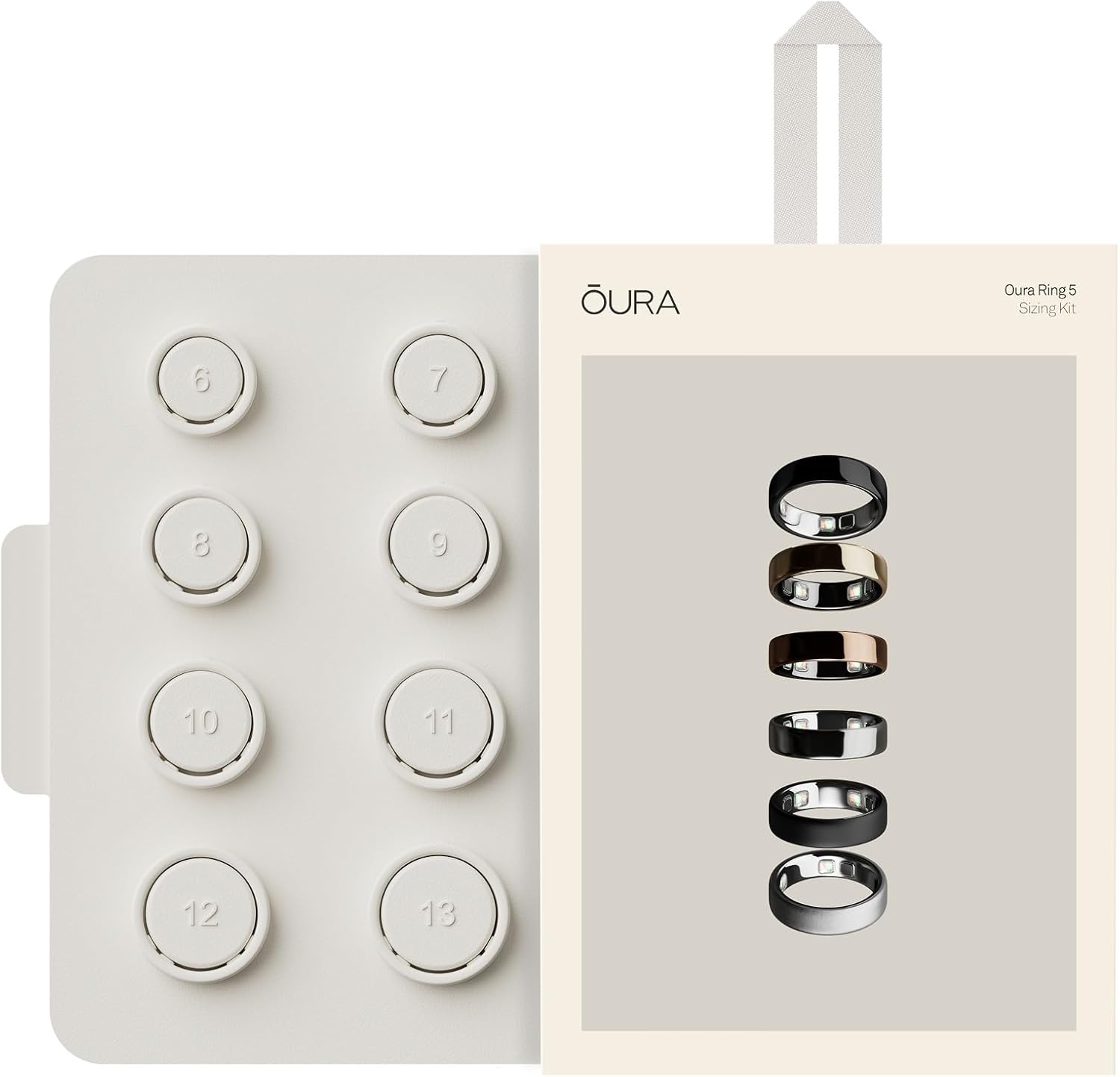
Here's where your money actually goes. The ring itself is a fairly simple piece of titanium with sensors pressed against the underside of your finger: optical sensors for heart rate, a temperature sensor for overnight trends, an accelerometer for movement. None of that needs a screen, which is why there isn't one, and none of it needs much power, which is how you get six to nine days on a charge instead of the one-day grind of a smartwatch. That part is genuinely well engineered. The catch is where the data goes after the ring collects it. Every metric, the readiness score, the sleep stages, the stress tracking, lives in the app, and the app is the product you're actually subscribing to at 5.99 a month after the first free one. The ring is the sensor. The membership is the service. Buy the hardware once and you still keep paying to read what it's telling you, which is the part that trips people up after the novelty wears off. Sizing matters more here than with a normal ring, too. Oura's fifth generation uses its own sizing standard, different from jewelry sizes and different from earlier Oura generations, because the sensors need constant, snug contact with your finger to read heart rate and temperature accurately. A ring that's even a size loose gives you noisier data, so the sizing kit isn't optional paperwork, it's part of how the thing actually works.
So you're not really buying a ring, you're buying a data subscription with a titanium sensor attached, and the ring just happens to be the part you can see. The hardware is the entry fee. The real cost is whatever you're willing to keep paying to read your own sleep data every month, for as long as you own it.
Who the Oura Ring 5 is for, and who should skip it
Worth it if
- you'll actually open the app daily and act on the data
- a small recurring fee for health data doesn't bother you
- you want a screen-free wearable that disappears on your hand
- you're willing to order the sizing kit before buying the ring
Skip it if
- you already own a watch that tracks sleep and activity for free
- you resent paying monthly for a device you already own outright
- you just want a basic step counter, not a subscription service
- you're on the edge of Oura's largest size
Not for anyone who resents paying monthly for data from a device they already own outright.
Is the Oura Ring 5 worth it, subscription and all
If you're the kind of person who'll actually open the app and adjust behavior based on what it tells you, and you're fine with a small recurring bill for the privilege, this is a quiet yes. If you resent subscriptions on hardware you already paid for, or you just want a rough step count and a battery that lasts, save your money and get a cheaper tracker with no monthly ask.
The 2am phone check turns into something more useful: a temperature trend, a readiness score, an actual reason to go to bed on time. Day one is uneventful, you put it on and forget about it for most of a week, then the patterns start showing up in the app on their own. A large number of owners land close to the same split verdict as this page: they like the fit, the look, and the sleep data, and they still notice the recurring bill every year. That's a reasonable place to end up.
Amazon shoppers rate it 4.4 out of 5 across 1,780 ratings. That is their number, not ours.
Before you go
Why are people ditching the Oura Ring?
Mostly the ongoing membership fee: once the free trial ends, most of the ring's health metrics sit behind a 5.99 a month subscription, and some owners decide that's not worth paying indefinitely for a device they already bought outright.
Why is the Oura Ring not worth it?
For anyone who resents paying monthly for data from hardware they already own, since the ring itself is a one-time purchase but the readiness score, sleep stages, and most other metrics require an active membership to view.
What is the downside of the Oura Ring?
The recurring subscription is the biggest one, followed by a sizing system that's unique to this generation, so you need Oura's own sizing kit rather than a standard ring size to get an accurate fit and accurate readings.
By the numbers
earn an unconditional yes at full priceOut of 109 electronics products we have reviewed. This one is a yes with a condition attached.
Verdict datasetQuestion indexCC BY 4.0
Full spec sheet
| Additional Features | Pedometer |
|---|---|
| Band Material Type | Titanium |
| Water Resistance Level | Water Resistant |
| Human Interface Input | Unknown |
| Metrics Measured | Heart Rate |
| Shape | Round |
| Style Name | Ring |
| Color | Gold |
Keep comparing



More electronics reviews.