Does Super Glue Actually Work on Glass?
Worth it, for the right kind of break
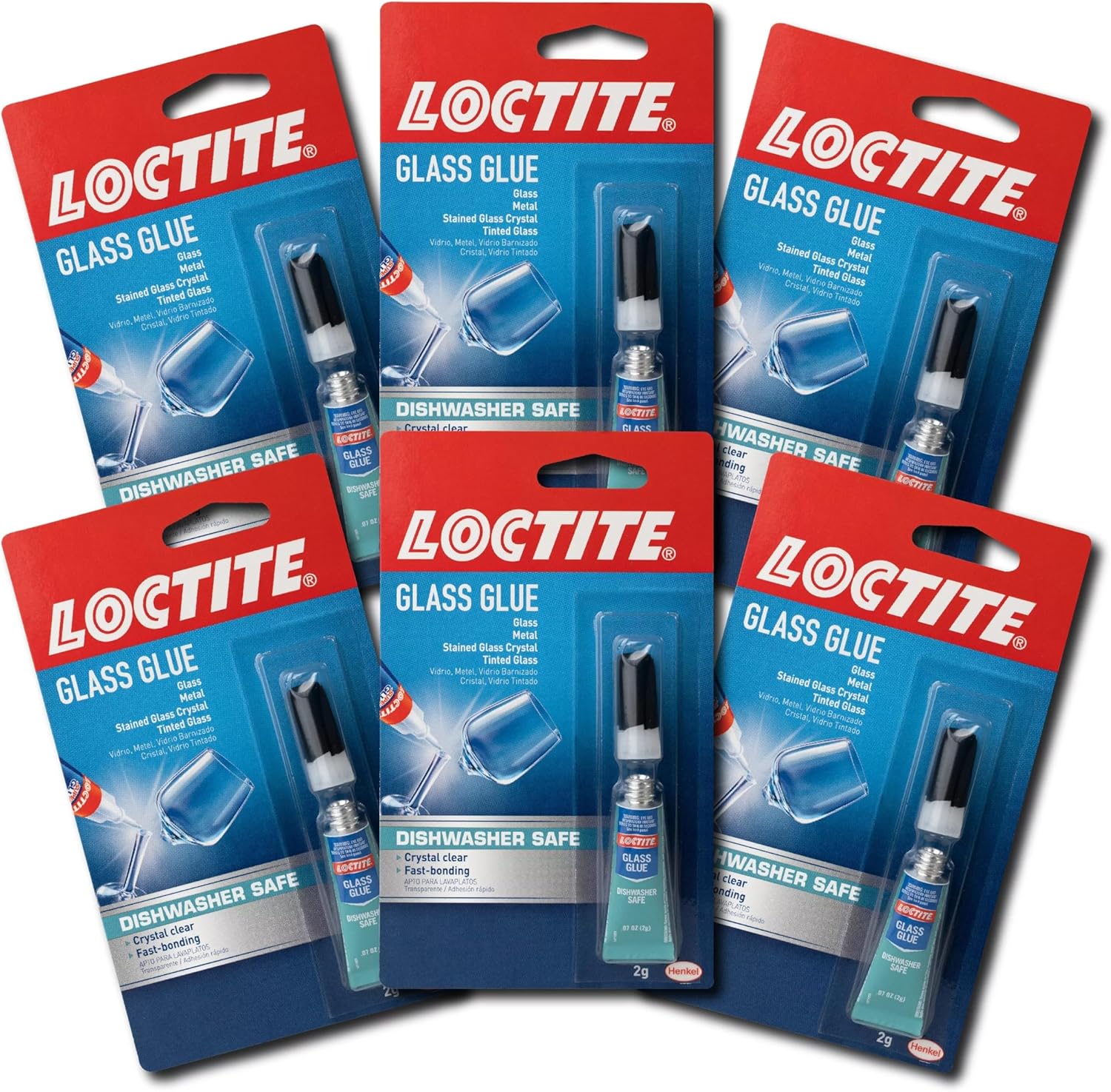
Why a cracked glass makes you hesitate
You've got a cracked vase or a chipped glass shelf bracket in your hands, and the question running through your head is simple: does super glue work on glass, or is this going to peel off the first time you touch it. You line the broken edges up and they seat together clean, no gap between them. That's the moment that decides everything, before the glue even touches the glass.
How super glue actually bonds to glass
Regular super glue and Loctite's glass formula run on the same basic chemistry, cyanoacrylate, the stuff that cures the instant it meets a trace of moisture. Glass carries just enough surface moisture to trigger that reaction, which is why this sets in seconds without a clamp. You press the edges together, hold for a count of ten, and the joint's already doing its job. Here's the catch nobody puts on the front of the label: the glue is thin, low viscosity is the actual spec on the tube. That's good news on stained glass or crystal with a fine seam, because it wicks in and disappears, drying clear instead of leaving a visible bead. It's bad news on a wide crack or a missing chip, because thin glue runs before it cures, and a gap this stuff can't bridge is a gap it can't fix. Know which repair you've actually got before you open the tube. Once it sets, the bond is heat resistant and waterproof, which is why a mended mug handle or drinking glass survives a dishwasher cycle. But that tolerance is an indoor tolerance. Outdoor glass takes temperature swings and sun a superglue joint isn't built for, so a window or garden piece won't hold the way a kitchen glass will.
So you're not buying an all-purpose glass fixer, you're buying a fast cyanoacrylate that needs two things to earn its keep: a tight seam and an indoor life. Get both right and the bond outlasts the glass around it. Get either wrong, thin glue on a wide gap or outdoors in the weather, and you've mostly just glued your fingers together.
Who Loctite Glass Glue is for, and who should skip it
Worth it if
- the broken pieces still fit together tightly with no gap
- the repair stays indoors and out of direct weather
- you're fixing glass, crystal, or a non-porous material like metal or certain plastics
- you can hold the pieces steady for the first minute without clamps
Skip it if
- there's a missing chip or a gap the glue would need to bridge
- the piece lives outdoors or takes direct sun and temperature swings
- the repair needs to bear real structural weight
- you need a glue that also handles porous materials like stressed wood joints
Not for outdoor glass, wide gaps, or load-bearing repairs.
The Loctite Glass Glue verdict, is it worth it
If you've got a clean break on glass, crystal, or dishware and the pieces still fit tight, this is a quiet yes, keep a tube in the drawer. If you're patching an outdoor window, a piece with a missing chip, or anything that has to bear real weight, skip it and reach for a two-part epoxy instead.
That wobbly glass or cracked picture frame stops being a problem the moment the seam sets, which takes about a minute of steady pressure and no overnight clamp job on the counter. A lot of buyers using it on tight, indoor breaks land on exactly that outcome, a bond that outlasts the glass, and most of the mixed complaints trace back to gaps the glue was never built to bridge in the first place. Keep the tube capped tight between jobs and it's ready the next time something slips off a shelf.
Amazon shoppers rate it 4.4 out of 5 across 12,115 ratings. That is their number, not ours.
Before you go
What happens if you put super glue on glass?
Regular cyanoacrylate super glue bonds to glass fine for light, indoor repairs, since it cures against the trace moisture on the glass surface, but it stays brittle and won't take heat or a dishwasher cycle the way a formula built specifically for glass will.
What is the best glue to use on glass?
For most household breaks, a cyanoacrylate made for glass, like this one, is the practical choice because it's thin enough to wick into a tight seam and cures clear without clamping; for gaps or load-bearing joints, a two-part epoxy does the job better.
What will stick to glass permanently?
Nothing bonds to glass forever in the sense of never failing, but a cyanoacrylate or epoxy joint on a clean, tight seam will typically outlast the glass itself under normal indoor use.
By the numbers
earn an unconditional yes at full priceOut of 38 industrial & scientific products we have reviewed. This one is a yes with a condition attached.
Verdict datasetQuestion indexCC BY 4.0
Full spec sheet
| Specific Uses For Product | Glass Repair, Crystal Repair, Indoor Use, Dishwasher Safe, Water Resistant |
|---|---|
| Item Form | Liquid |
| Other Special Features of the Product | Dries Clear |
| Container Type | Tube |
| Viscosity Level | Low |
| Water Resistance Level | Waterproof |
| Compatible Material | Metal, Plastic |
| Item Package Quantity | 1 |


