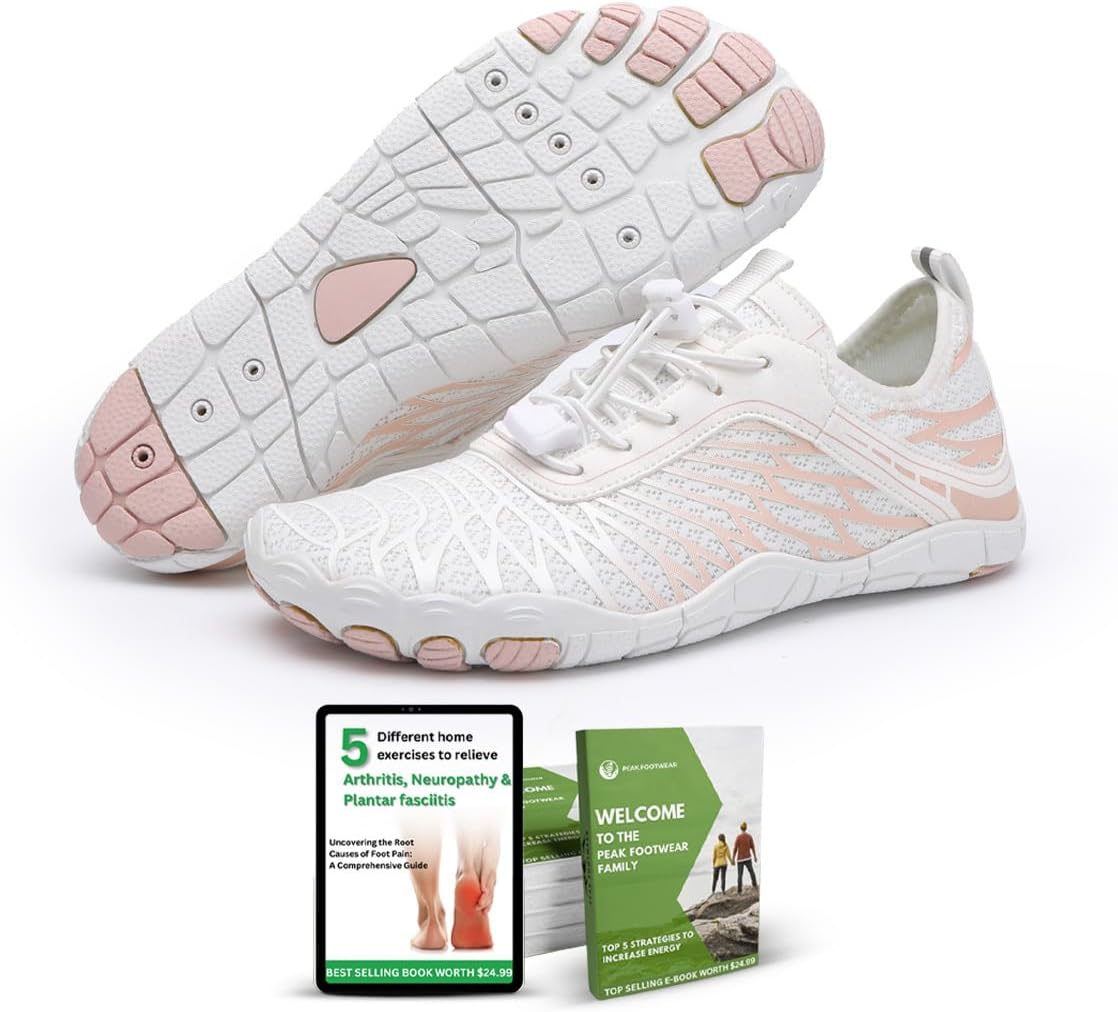
Are Bronoir grounding shoes actually worth it?
Worth it, if you want the shape more than the science

Why your feet ache by the end of the day
Picture the end of a long day: you kick off your shoes and your feet feel squeezed, toes crushed together, arches barking from being locked into the same narrow shape for hours. That familiar ache is what sends people hunting through bronoir shoes reviews looking for something that lets their feet actually move the way they're built to. The promise sounds almost too simple: a thin sole, a wide toe box, and a strip of copper that's supposed to reconnect you to the earth.
How zero drop soles and copper grounding actually work
Here's the mechanical part, and it's the part that actually holds up. A zero drop sole means your heel and toe sit at the same height, instead of the raised heel most sneakers give you. That keeps your pelvis in a more neutral position, which is why your knees and hips stop absorbing the tilt a heel creates. Pair that with a wide toe box and your toes get room to spread out instead of pointing forward, which is what actually gives you balance on uneven ground, not the shoe's grip. Then there's the ultra-thin rubber sole: because it's so pared back, your foot has to do more of the sensing and stabilizing work itself, which over time is what strengthens the small muscles a padded shoe lets go soft. The copper thread running through the design is the earthing claim, the idea that a conductive material against your skin discharges built-up static the way standing barefoot on grass supposedly does. That part is still debated. What isn't debated is the shoe shape underneath it, and that's doing real work with or without the copper.
So the real trade you're making isn't a grounding gadget, it's a shoe shape. The zero drop and wide toe box are quietly retraining how your foot lands and balances, whether or not the copper is doing anything electrical. If that's the trade you want, it's a good one. If you were sold on earthing alone, know you're paying for a shape, not a current.
Who Bronoir grounding shoes are for, and who should skip them
Worth it if
- You want a wide toe box that lets your toes spread naturally
- You're easing into minimalist, zero drop shoes for walking or light hiking
- You like the idea of copper grounding but don't need it proven to try it
Skip it if
- You rely on built-in arch support for foot pain
- You need a water resistant shoe for wet conditions
- You want firm structure rather than a barefoot feel
Skip these if you need real arch support built into the shoe.
The Bronoir shoes reviews verdict
If you want a minimalist shoe that gives your toes room and skips the raised heel, this is a quiet yes, and it'll earn its spot for walks, errands, and hanging around the house. If you specifically need built-in arch support, look elsewhere, this sole is deliberately unsupported so your foot does the work instead.
Amazon shoppers rate it 4 out of 5 across 669 ratings. That is their number, not ours.
Before you go
Do grounding shoes actually work?
No solid scientific evidence supports the earthing claim, but the zero drop, wide toe box design genuinely changes foot balance and landing mechanics.
Who makes Bronoir shoes?
Bronoir makes these grounding shoes, sold through retailers like Amazon.
By the numbers
clothing & footwear products reviewedThis one is a yes with a condition attached.
Verdict datasetQuestion indexCC BY 4.0
Full spec sheet
| Sole material | Rubber |
|---|---|
| Outer material | Rubber |
| Closure type | Pull-On |
| Water resistance level | Not Water Resistant |