Are Milestar Patagonia tires any good?
Worth it, if you know which job you're buying it for

Are milestar patagonia tires any good, or a gamble on an unfamiliar name
Stand in the tire bay long enough and you'll see the same pause on every customer's face when the counter guy rolls out something they've never heard of. The price is half what the name brand quoted, the tread looks aggressive enough to eat a driveway, and the question shows up before anyone says it out loud: are Milestar Patagonia tires any good, or is this the moment you regret saving the money. That hesitation is the whole review. Check fitment on the doubt before you check the price.
How the Patagonia M/T's sidewall and tread actually work
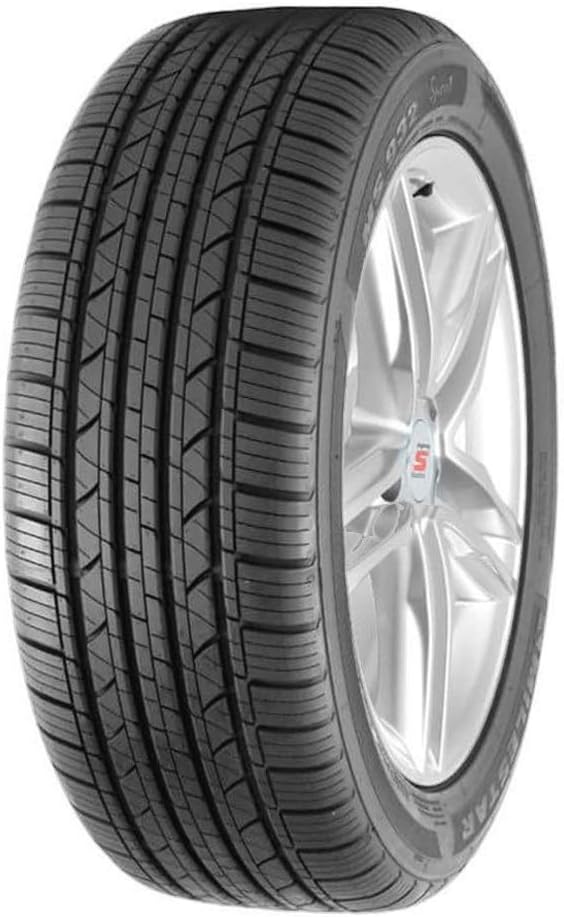
Here's what's actually under that sidewall. The Patagonia M/T runs a 3-ply casing instead of the usual two, which matters the first time a sharp rock catches the shoulder of the tire square on, not a glancing hit but the kind that punches through a thinner wall. More plies means more layers of rubber-coated cord standing between that impact and a slow leak in your driveway on a Tuesday morning. Then there's the tread itself: stone ejectors are just small rubber lugs shaped to squeeze rocks back out of the tread grooves before they sit there and drill a hole with every rotation, which is how a mud tire keeps its tread depth instead of chewing through it on gravel roads. The high void, staggered tread blocks work the same self-cleaning angle for mud and snow, flinging it out centrifugally instead of packing it in and losing grip. The angled biting edges and siping are doing double duty, off-road they're grabbing loose surfaces, on pavement they're cutting through standing water so the LT35X12.50R15 doesn't turn into a boat at highway speed. This particular size carries a 113Q load index and speed rating, a 2535 pound capacity per tire in load range C, radial construction, symmetrical tread. None of that is exotic engineering. It's a straightforward mud tire built around three jobs: survive rock strikes, clear debris, and disperse water, in that order of priority.
So you're not buying a name here, you're buying a specific set of trade-offs: a tougher sidewall and a self-cleaning tread bought at the cost of the refinement a premium brand charges extra for. That's an honest trade if the tire's actual job is trails and gravel roads, not a highway commute in a luxury sedan. A part either does the job it's built for or it decorates the truck, and this one is built for the job.
Who the Milestar Patagonia M/T fits, and who should look elsewhere
Worth it if
- your truck or SUV actually sees mud, gravel, or trail roads regularly
- you want sidewall durability against rocks and debris without premium pricing
- you're comfortable trading some on-road refinement for off-road capability
- LT35X12.50R15 in load range C matches your vehicle's fitment
Skip it if
- you mostly drive highway miles and want a quiet, smooth ride
- you're towing or hauling near the 2535 pound per-tire load limit regularly
- you want a name-brand warranty and nationwide service network to match
- you need a tire optimized for snow-heavy climates over mud and rock
Not for anyone prioritizing a quiet highway ride or towing near the tire's load limit.
The Milestar Patagonia M/T verdict
If you're running a truck or SUV that actually sees mud, gravel, or rutted trail roads part of the week, this is a quiet yes, the sidewall and tread design are doing real work for the money. If you're chasing a smooth, quiet highway ride or you're loading up for heavy towing near that 2535 pound cap, spend the extra money on a highway or all-terrain tire built for that job instead.
The problem this solves is the one every mud tire buyer actually has: not knowing if the cheap-looking tread will survive the first serious trail before it's worth trusting. Mount these and the first real test is a gravel logging road or a muddy field entrance, watching the tread throw mud instead of packing it, feeling the sidewall shrug off a rock strike you'd have worried about on a thinner tire. That's the moment you stop checking the mirror for a flat every ten miles.
Amazon shoppers rate it 5 out of 5 across 37 ratings. That is their number, not ours.
Before you go
Who makes the Milestar Patagonia tire?
Milestar is the brand, a budget-tier tire manufacturer that focuses on light truck and SUV tires including all-terrain and mud-terrain lines like the Patagonia M/T.
How long do Milestar Patagonia tires last?
There's no official mileage warranty published for this tire, but the stone ejector design and 3-ply construction are specifically built to slow the tread wear and sidewall damage that shortens a mud tire's life on gravel and rocky terrain.
What are the pros and cons of Milestar tires compared to Michelin tires?
Milestar tires typically cost significantly less and offer aggressive off-road tread designs, while Michelin generally delivers a quieter ride, more refined handling, and a longer track record of tread longevity, the trade-off is price versus polish.
Is Westlake or Milestar better?
Both are budget-tier brands with overlapping tread designs and similar price points, and neither has a clear across-the-board edge, the better choice usually comes down to which specific tire model fits your vehicle and driving conditions.
By the numbers
earn an unconditional yes at full priceOut of 137 automotive products we have reviewed. This one is a yes with a condition attached.
other reviews field the same questionHow long do Milestar Patagonia tires last?
comes up across our automotive coverage, not just here — one of the things worth settling before you choose.
Verdict datasetQuestion indexCC BY 4.0
Full spec sheet
| Rim Size | 15 inches |
|---|---|
| Load Index | 113 |
| Speed Rating | Q |
| Load Capacity | 2535 pounds |
| Tread Type | Symmetrical |
| Maximum Pressure | 35 psi |
| Automotive Fit Type | Universal Fit |
| Load Range | C |
Keep comparing


More automotive reviews.