TP-Link vs Asus Router: Which One Actually Fits Your Home?

TP-Link Tri-Band BE9300 WiFi 7 Router (Archer BE550)
Worth it, if your internet plan and devices can actually use it
- You have a fast internet plan, 500Mbps or higher, worth actually filling
- Multiple people in the house stream, game, or video call at the same time
- You already own or plan to buy WiFi 6E or WiFi 7 devices
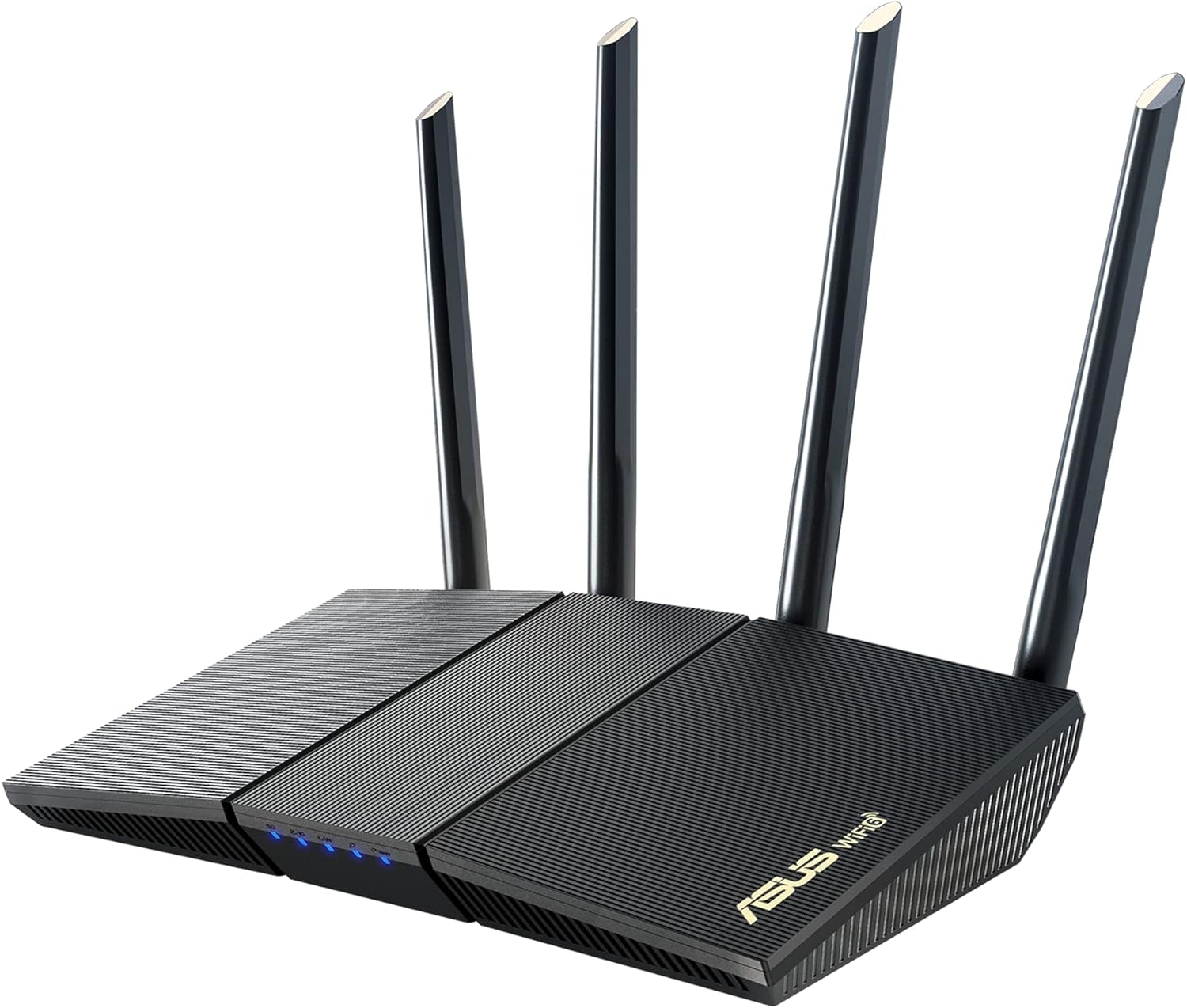
ASUS RT-AX1800S Dual Band WiFi 6 Extendable Router
Worth it, with a range caveat
- your current router predates most of your smart devices
- you want gigabit wired ports for a console or PC
- you want security and VPN features without a subscription
By the numbers: both score 4/5 on our verdict scale — the split here is audience, not quality. Full dataset.
Tp-Link vs Asus Router
You've got two browser tabs open, one TP-Link, one Asus, and a price gap between them that makes no sense until you actually look at what each box is built to do. That's the real tp-link vs asus router question, not brand loyalty, tier. One of these is a WiFi 7 router built for a house with too many devices fighting for bandwidth. The other is a WiFi 6 router built for a normal home replacing something older than your phone. Neither is the wrong router. They're just answering different Tuesday nights.
The TP-Link Archer BE550 is tri-band WiFi 7 with six streams, full 2.5G ports, and six internal antennas, rated for up to 2,000 square feet with EasyMesh expansion built in. That's a router designed to keep four or five people from noticing each other on the network, streaming, gaming, and video calling at once without one connection choking the others. The Asus RT-AX1800S is dual band WiFi 6, gigabit wired ports, AiMesh compatible, with subscription-free VPN and parental controls baked in. That's a router built to fix the obvious problem, an old router in a normal one or two bedroom home, without asking you to think about networking again. Spec sheets don't lie, but they do mumble the important part: the TP-Link's extra bands and ports only matter if your internet plan and your devices can actually use them. The Asus's simplicity only becomes a limit if your house is bigger than it's built for, or your internet plan is faster than dual band WiFi 6 can move. Same category, two different jobs.
Choose the TP-Link router if
- Your internet plan runs 500Mbps or faster and you're not using all of it yet
- Several people in the house stream, game, or call at the same time
- You already own or plan to buy WiFi 6E or WiFi 7 devices
Choose the Asus router if
- Your current router predates most of your smart devices
- Your home is a normal one or two bedroom footprint
- You want gigabit wired ports and VPN without paying a subscription on top
If your house is small to average and your router is just old, the Asus is the quiet fix, it solves the actual problem without making you pay for headroom you can't use. If your plan is fast, your house is crowded with devices, and several people are online at once doing different things, the TP-Link earns its higher price by not choking under that load. Neither is the better brand. One is the better fit for a specific house.
Before you go
Should I avoid TP-Link routers?
No, the Archer BE550 is a genuinely capable WiFi 7 router, it's only the wrong buy if your internet plan and devices can't actually use the extra bandwidth.
Is Asus a better router brand than TP-Link?
No, brand isn't deciding this. This Asus model is a budget WiFi 6 router, this TP-Link model is a premium WiFi 7 router, they're built for different houses.
Do I need a WiFi 7 router for a normal house?
No, a typical one or two bedroom home on a standard internet plan won't tax the extra bandwidth tri-band WiFi 7 is built to handle.
Full verdicts: TP-Link Tri-Band BE9300 WiFi 7 Router (Archer BE550) · ASUS RT-AX1800S Dual Band WiFi 6 Extendable Router