HMB vs Creatine: Which Should You Choose?

InnoSupps HMB+
Worth it, with a caveat
- You lift heavy several times a week
- You're dieting while trying to preserve muscle mass
- You want a vegan capsule paired with an absorption enhancer
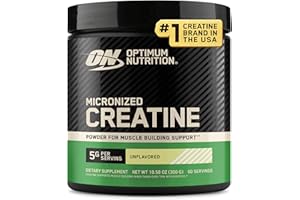
Optimum Nutrition Creatine
Worth it, if you just want creatine that mixes clean
- you want a plain 5g creatine monohydrate serving without added flavor
- gritty, undissolved powder in your shaker bothers you
- you want a brand with banned-substance testing for peace of mind
By the numbers: both score 4/5 on our verdict scale — the split here is audience, not quality. Full dataset.
Hmb vs Creatine
Your shaker is already crowded, and adding another supplement raises the useful question: does HMB vs creatine solve the same problem? No. HMB is presented here as a recovery-focused capsule for demanding training and dieting, while creatine is a plain, unflavored powder built around a 5g monohydrate serving. If your training and protein intake are already dialed in, HMB may fit a specific recovery priority. If you want straightforward creatine that mixes cleanly, creatine is the clearer choice.
The mechanism is buried under the label language, so separate the jobs. HMB is the beta-hydroxy beta-methylbutyrate supplement in InnoSupps HMB+, delivered in vegan capsules with Astragin positioned as an absorption enhancer. The supplied review frames its value around recovery and preserving muscle while dieting, but only when training already demands more than diet alone provides. That makes the daily question one of training load: occasional or light sessions leave less reason to add it.
Creatine is different in both ingredient and routine. Optimum Nutrition's product is micronized creatine monohydrate in an unflavored powder, with 5g per serving and 60 servings listed in the title. Micronization changes how the powder mixes, not the creatine molecule. You scoop it into water or another drink, rather than taking capsules. The practical result is simpler: HMB suits a narrow recovery-focused use case, while creatine suits someone who wants plain monohydrate, clean mixing, and banned-substance testing. Neither replaces adequate protein or consistent training.
Choose the hmb if
- You lift heavy several times a week and want a recovery-focused capsule.
- You're dieting while trying to preserve muscle mass.
- Your training volume and protein intake are already dialed in.
- You want a vegan capsule with an absorption enhancer.
Choose the creatine if
- You want a plain 5g creatine monohydrate serving.
- Gritty, undissolved powder bothers you in a shaker.
- You prefer unflavored powder to mix into water or a shake.
- Banned-substance testing matters to your choice.
For most readers choosing between these two formats, creatine is the more direct pick if you want plain 5g creatine monohydrate that mixes cleanly. HMB makes more sense if you lift heavy several times a week, are dieting while trying to preserve muscle, and already have training volume and protein intake in place. The supplied verdicts do not make HMB a broad replacement for creatine, protein, or training. Choose the priority you can name clearly: straightforward creatine routine, or targeted recovery support.
Before you go
Is HMB better than creatine?
No. They serve different priorities: HMB fits demanding training and dieting, while creatine fits a straightforward 5g monohydrate routine.
Can you take HMB with creatine?
Yes, if each serves a clear purpose for your routine. The supplied reviews do not establish that combining them is necessary.
Is HMB a substitute for protein or training?
No. The HMB review explicitly frames it as a recovery aid, not a substitute for protein or training volume.
Full verdicts: InnoSupps HMB+ · Optimum Nutrition Creatine