Creatine vs Protein Shake: Which One Does Your Body Actually Need?
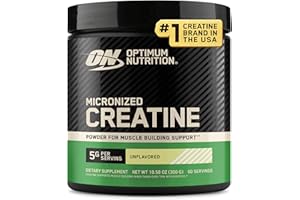
Optimum Nutrition Creatine
Worth it, if you just want creatine that mixes clean
- you want a plain 5g creatine monohydrate serving without added flavor
- gritty, undissolved powder in your shaker bothers you
- you want a brand with banned-substance testing for peace of mind

Nurri 30g Protein Ultra Filtered Milk Shake
Worth it, with one honest tradeoff
- You want a quick protein boost that actually tastes like chocolate milk
- You're lactose sensitive and want dairy protein without the discomfort
- You'd rather sip a can than chew a bar or mix a powder
By the numbers: both score 4/5 on our verdict scale — the split here is audience, not quality. Full dataset.
Creatine vs Protein Shake
Standing between a tub of creatine and a canned protein shake feels like picking a lane, but the creatine vs protein shake question isn't really an either-or. They're aimed at two different parts of your physiology, and confusing them is where people waste money. Creatine wants to change what happens inside your muscle cells during a set. A protein shake wants to hit a daily number so your muscles have the raw material to repair afterward. Once you see what each one is actually doing to your body, the choice gets a lot less complicated.
The body part of this is simple, even if the marketing makes it sound complicated. Creatine, like the Optimum Nutrition micronized powder, raises the phosphocreatine stores in your muscle cells. That's the quick-energy reserve your body taps for short, hard efforts, so more of it available often means you can push another rep or recover a few seconds faster between sets. It doesn't add protein, calories, or anything else to your body, it just refills a specific fuel tank faster.
A protein shake, like the Nurri ultra-filtered milk shake, works on a completely different system. It supplies amino acids your body uses to repair and rebuild muscle tissue after the work is already done. The 30 grams here is going toward your daily protein target, the same job a chicken breast or a scoop of powder does, just in a can that tastes like chocolate milk.
So one changes your performance during the set, the other supports what happens after it. Taking creatine doesn't excuse you from hitting your protein number, and drinking a protein shake doesn't do anything for the phosphocreatine system creatine targets.
Choose the creatine if
- You want a measurable strength or power edge and are willing to take it daily to get it
- You care about banned substance testing because you compete or train seriously
- You want unflavored creatine that mixes clean into anything you're already drinking
Choose the protein shake if
- You need a quick, tasty way to close a gap in your daily protein number
- You're lactose sensitive and want dairy protein without the discomfort
- You'd rather sip a can than mix a powder or chew a bar
Neither one replaces the other, because they're not answering the same question. If your training is limited by strength or power output, creatine is the one with an actual mechanism behind it, and the plain micronized version is worth it if you just want it to mix clean and test clean. If your day is limited by hitting enough protein without a full meal, the Nurri shake earns its price as milk that happens to carry 30 grams. Most people training seriously end up using both, for different reasons, not as competing purchases.
Before you go
Can I take creatine and drink a protein shake on the same day?
Yes, they work on different systems in your body, so there's no overlap or conflict between them.
Do I need creatine if I already drink a protein shake?
Only if your training is limited by strength or power, since a shake doesn't touch the phosphocreatine system creatine works through.
Full verdicts: Optimum Nutrition Creatine · Nurri 30g Protein Ultra Filtered Milk Shake