Creatine vs Collagen: What Are You Actually Trying to Fix?
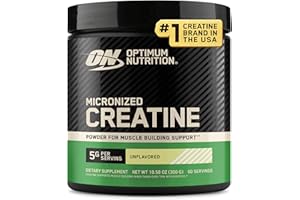
Optimum Nutrition Creatine
Worth it, if you just want creatine that mixes clean
- you want a plain 5g creatine monohydrate serving without added flavor
- gritty, undissolved powder in your shaker bothers you
- you want a brand with banned-substance testing for peace of mind

Vital Proteins Collagen Peptides Powder Advanced with Hyaluronic Acid & Vitamin C
Worth it, if you're realistic about what it's for
- You already take a daily supplement and want one that mixes into anything without taste or texture
- You're looking for a consistent, months-long habit rather than a quick fix
- You want a hydrolyzed, more absorbable form of collagen paired with a vitamin C cofactor
By the numbers: both score 4/5 on our verdict scale — the split here is audience, not quality. Full dataset.
Creatine vs Collagen
The creatine vs collagen question usually isn't really a comparison, it's two different goals wearing similar packaging. One is unflavored powder marketed for strength and recovery. The other is unflavored powder marketed for skin and joints. You land on this page because someone told you to take both, or because you only have budget for one. Before you choose, it helps to know what each one actually does inside your body, because they're not competing for the same job at all.
Creatine works through a specific, well-mapped mechanism: it helps regenerate ATP faster during short, intense effort, which is why it shows up in strength and power training, not in skin routines. The body part of this is simple. You take it daily, your muscle phosphocreatine stores fill, and over weeks you can push a little harder in the gym. It doesn't do anything for your skin or joints.
Collagen peptides work differently. You're swallowing hydrolyzed amino acids, the building blocks your body uses to make its own collagen, alongside a vitamin C cofactor that supports that process. It's not delivering finished collagen to your face. It's giving your body raw material and hoping it uses it well, which is a slower, less dramatic story than the marketing suggests.
So the real difference isn't quality or dose, it's target tissue and timeline. Creatine's effect shows up in performance, measured in reps and recovery. Collagen's effect, if it shows up, is slower and softer, tied to skin and joint tissue over months. Taking one won't touch what the other is meant to do. That's not a flaw in either, it's just what each mechanism can and can't reach.
Choose the creatine if
- You train seriously and want a measurable strength or recovery benefit
- You want unflavored creatine that mixes clean and has a banned substance testing record
- You're fine with a daily scoop as part of an existing training routine
Choose the collagen if
- You want a daily habit aimed at skin and joint support rather than gym performance
- You're realistic about a months-long timeline, not a two-week transformation
- You want a hydrolyzed, more absorbable collagen form paired with vitamin C
These aren't really rivals, they're answers to two different questions. If your goal is strength or recovery, creatine is the one with the mechanism to deliver that, and our review found it worth it for anyone who wants a clean, easy-mixing version. If your goal is skin or joint support, collagen peptides are the more direct match, worth it as a daily habit rather than a quick fix. Useful for a specific someone, not everyone, in both cases. If you want both benefits, you take both, they don't overlap or cancel each other out.
Before you go
Can you take creatine and collagen together?
Yes. They work through separate mechanisms on separate tissue, so there's no known interaction, and each can be taken for its own reason without affecting the other.
Which one shows results faster?
Creatine tends to show performance changes within a few weeks of consistent daily use. Collagen's effect on skin and joints is slower and more gradual, typically discussed in months, not weeks.
Will collagen help me build muscle like creatine does?
No. Collagen supplies amino acids for connective tissue, not the ATP-regeneration pathway creatine supports, so it isn't a substitute for creatine if strength or recovery is your goal.
Full verdicts: Optimum Nutrition Creatine · Vital Proteins Collagen Peptides Powder Advanced with Hyaluronic Acid & Vitamin C