Creatine HCl vs Monohydrate: Which One Fits Your Body?

CON-CRET Creatine HCl Capsules for Women and Men
Worth it, if bloating is what's stopped you before
- monohydrate has bloated you or upset your stomach before
- you'd rather swallow a capsule than measure and stir a scoop
- you want to skip a loading phase entirely
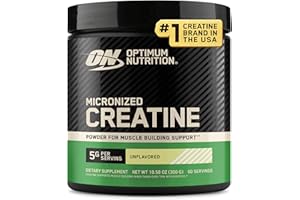
Optimum Nutrition Creatine
Worth it, if you just want creatine that mixes clean
- you want a plain 5g creatine monohydrate serving without added flavor
- gritty, undissolved powder in your shaker bothers you
- you want a brand with banned-substance testing for peace of mind
By the numbers: both score 4/5 on our verdict scale — the split here is audience, not quality. Full dataset.
Creatine Hcl vs Monohydrate
You've decided to take creatine. Now you're stuck between creatine HCl and monohydrate, and the marketing on both sides makes it sound like a bigger decision than it is. It isn't about which one builds more muscle. It's about which one your stomach tolerates and how much you want to pay for that comfort. One is the molecule that's been studied for decades. The other is a smaller dose of the same job, aimed at people who've had a specific problem with the original.
The body part of this is simple. Creatine monohydrate is the molecule itself, unmodified, and it's what nearly every strength study has used for thirty years. It works by saturating your muscle's phosphocreatine stores, and it does that reliably at 5 grams a day. Some people load water when they start it, and some notice bloating during that adjustment, though plenty never do. Creatine HCl attaches the same creatine to hydrochloride, which makes it more soluble in water. That solubility is why the dose is smaller and why it tends to sit better in a gut that's already reacted badly to monohydrate. What it doesn't do is deliver a stronger or faster result. Once it's absorbed, it's doing the exact same job in the exact same muscle. So the real difference isn't in what happens to your strength, it's in what happens to your stomach and your routine. One skips a loading phase and a shaker bottle. The other has more research behind it and costs far less per gram. Both end at the same phosphocreatine pool.
Choose the creatine hcl if
- Monohydrate has bloated you or upset your stomach before
- You'd rather swallow a capsule than measure and stir a scoop
- You want to skip a loading phase entirely
- You travel or train without a shaker bottle often
Choose the creatine monohydrate if
- Monohydrate has never bothered your stomach and cost per gram matters most
- You want the version backed by decades of strength research
- You're fine with a daily scoop as part of your routine
- You compete and want a banned-substance-tested product
If monohydrate has never given you trouble, buy the monohydrate. It's the more studied molecule, it costs a fraction as much per gram, and there's no reason to pay a premium to solve a problem you don't have. Creatine HCl earns its price for one specific person: someone who's tried monohydrate, felt bloated or unsettled by it, and wants the same phosphocreatine benefit without that reaction. It's relief for a real complaint, not an upgrade for everyone.
Before you go
Does creatine HCl work better than monohydrate for building muscle?
No. Both deliver creatine to the same muscle stores, and the strength result doesn't change based on which form you take. HCl's advantage is tolerability, not effectiveness.
Do I need to do a loading phase with either one?
Monohydrate is often loaded at a higher dose for the first week to saturate muscle stores faster, though it isn't required. HCl's higher solubility is why most people skip loading with it entirely.
Full verdicts: CON-CRET Creatine HCl Capsules for Women and Men · Optimum Nutrition Creatine