Bose vs JBL headphones: Which should you choose?
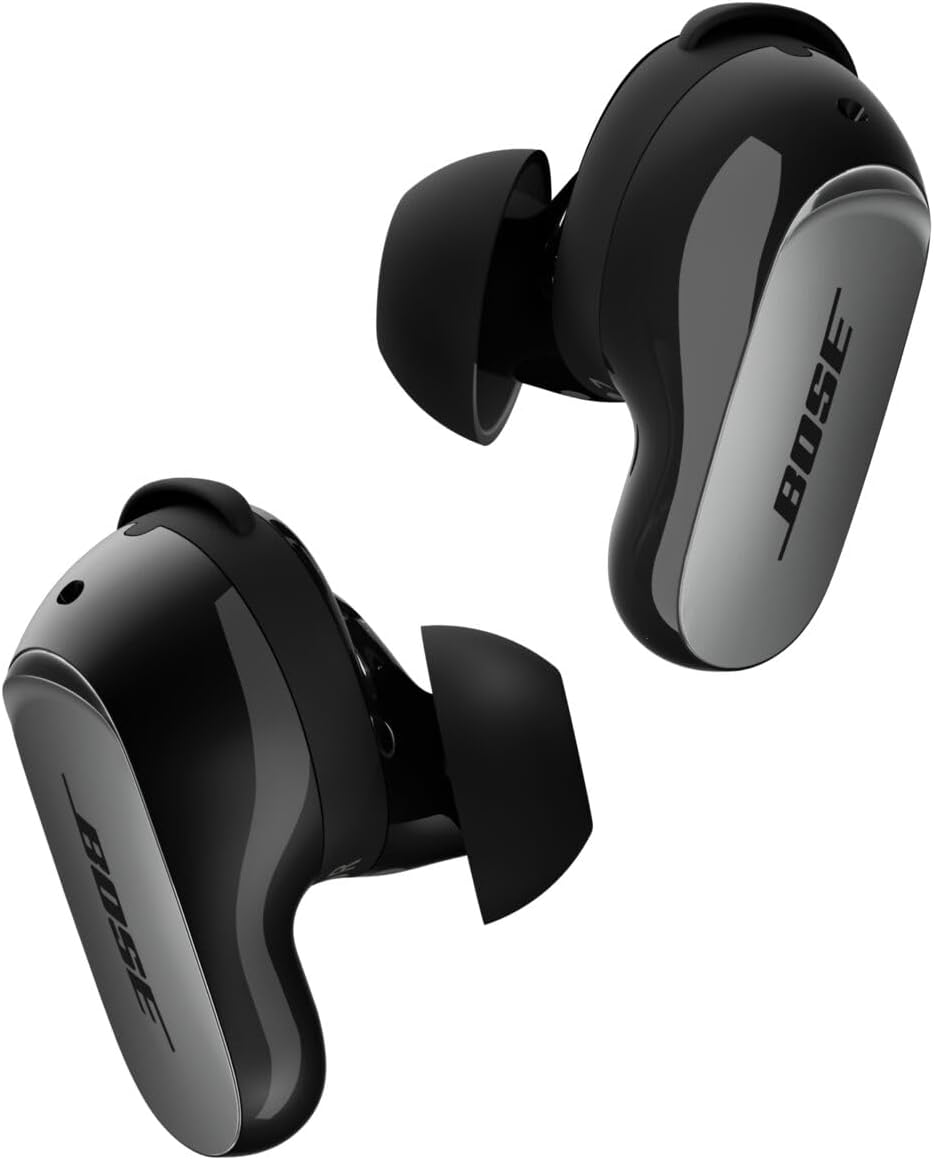
Bose QuietComfort Ultra Earbuds (2nd Gen) - Wireless Noise Cancelling Earbuds with Mic
Worth it, if you'll do the fitting step
- You spend real hours daily in loud transit, offices, or on flights
- You want noise cancellation tuned to your own ears, not a generic curve
- Clear calls matter as much as music quality

JBL Junior 320 Kids Headphones
Worth it, if a volume cap is what you actually need
- You want a hard volume cap you don't have to police
- Your kid needs a wired, no-fuss pair for school days
- You want a built-in mic without extra gear
By the numbers: both score 4/5 on our verdict scale — the split here is audience, not quality. Full dataset.
Bose vs Jbl Headphones
The Bose vs JBL headphones choice is less a brand contest than a fit problem. Bose brings wireless noise cancellation, a microphone, and a fitting process meant to tune the sound and seal to your ears. JBL brings a wired, volume-limited design for kids, with a built-in mic and no Bluetooth decisions to make. So start with your day: are you trying to make loud transit or an office fade away, or are you sending a child to school with a hard volume ceiling? The right answer is clear once that priority is.
The mechanism is doing different work on each side. Bose uses CustomTune and different eartip and band combinations to adjust how the earbuds sit in your ears, then applies noise-cancellation processing around that fit. That means the setup is part of the product: a poor fit can leave the promised quiet less convincing, while the right one is aimed at loud transit, offices, and flights. The trade is a six-hour battery ceiling per charge, so all-day listening needs planning. JBL takes the simpler route. Its wired connection avoids Bluetooth pairing and charging, while the hardware volume cap sets a ceiling you do not have to police. The built-in mic supports school or travel calls, but the design is for a young child who accepts a cable, not a listener seeking wireless freedom or louder playback. Bose asks you to tune the fit. JBL asks you to plug in and leave the limit alone.
Choose the Bose headphones if
- You spend real hours in loud transit, offices, or on flights.
- You want noise cancellation tuned to your ears and clear calls.
- You will test different eartip and band sizes.
- You can plan around six hours per charge.
Choose the JBL headphones if
- You want a hardware volume cap you do not have to police.
- Your child needs a wired, no-fuss pair for school or travel.
- You want a built-in mic without extra gear.
- Bluetooth freedom or louder maximum volume is not the priority.
Bose is the better fit for adults who spend real hours in loud places and will take the time to try the fitting options. It is worth choosing, but not as a plug-and-forget all-day pair. JBL is the clearer choice for a young child who needs a wired school or travel pair with a built-in volume ceiling. Neither wins universally: Bose prioritizes personalized noise cancellation, while JBL prioritizes simple, capped listening.
Before you go
Is Bose better than JBL for noise cancellation?
Yes, if your priority is personalized noise cancellation for loud transit, offices, or flights and you will complete the fitting step.
Is JBL better than Bose for kids?
Yes, if you need a wired, kid-focused pair with a hardware volume cap and built-in mic for school or travel.
Are Bose headphones wireless while JBL is wired here?
Yes. This Bose model is wireless, while the supplied JBL Junior 320 is wired and uses a 3.5mm jack.
Full verdicts: Bose QuietComfort Ultra Earbuds (2nd Gen) - Wireless Noise Cancelling Earbuds with Mic · JBL Junior 320 Kids Headphones