BCAA vs Creatine: What's the Real Difference?

Xtend Original BCAA Powder
Worth it, for a specific kind of training day
- you train long or fasted sessions and need hydration support
- you want a sugar-free flavored drink to sip through workouts
- you value third-party tested purity in a supplement
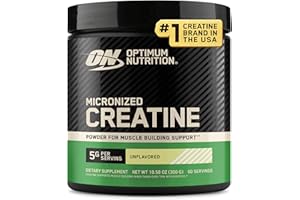
Optimum Nutrition Creatine
Worth it, if you just want creatine that mixes clean
- you want a plain 5g creatine monohydrate serving without added flavor
- gritty, undissolved powder in your shaker bothers you
- you want a brand with banned-substance testing for peace of mind
By the numbers: both score 4/5 on our verdict scale — the split here is audience, not quality. Full dataset.
Bcaa vs Creatine
You're standing in the supplement aisle, or scrolling with two tabs open, trying to decide between bcaa vs creatine for the same training goal. Both promise recovery and strength, and both come in tubs that cost about the same. But they aren't solving the same problem. One is amino acids that support your muscle while you train; the other is an energy molecule that changes how much work your muscle can do in the first place. Which one earns a spot in your shaker depends on what's actually missing from your routine right now.
The body part of this is simple, even if the marketing isn't. BCAAs are three amino acids your muscles can use directly during exercise, and taking them extra is meant to spare muscle tissue during a workout and ease soreness afterward. That only matters if your regular protein intake isn't already covering those same amino acids, which for most people eating enough protein, it already is. Xtend adds electrolytes on top, so its real, felt benefit is often hydration and staying power through a long or fasted session, not muscle you couldn't build otherwise. Creatine works differently. It raises the phosphocreatine stores in your muscle, which is the fuel your body burns first during short, hard efforts, lifts, sprints, sets close to failure. More of that fuel on hand means you can do one more rep, one more set, recover faster between them, which over months compounds into real strength and power gains. Optimum Nutrition's version is unflavored and micronized so it dissolves instead of sitting gritty at the bottom of the glass, but that's comfort, not the mechanism. The strength support comes from the creatine molecule itself, the same one studied for decades.
Choose the bcaa if
- You train long or fasted sessions and want hydration built into your drink
- You want a sugar-free, flavored drink that makes it easier to finish hard sessions
- You care about third-party purity testing in what you're sipping mid-workout
Choose the creatine if
- You want plain creatine monohydrate without flavors or fillers getting in the way
- Gritty, clumpy powders have put you off supplements before
- You compete in a tested sport and need a banned-substance-tested option
If you had to pick one for strength and training capacity, creatine is the better-supported choice: the mechanism is directly tied to more reps and more power, not just comfort during the session. BCAAs are worth adding on top only if your protein intake is already inconsistent or you specifically want a flavored, electrolyte drink for long or fasted training. Neither replaces the other's job. A lifter with solid protein habits gets more from creatine alone than from BCAAs alone.
Before you go
Is it better to take BCAA or creatine?
No, there isn't one winner: creatine has the stronger evidence for strength and training capacity, while BCAAs mainly help if your protein intake already falls short.
Is it safe to take BCAA and creatine together?
Yes, they work through different pathways and are commonly stacked, though check with a doctor first if you have kidney disease or another condition affecting fluid balance.
Why do doctors say no to creatine?
The caution usually points to people with kidney disease or conditions affecting fluid balance, not to healthy adults taking a standard dose.
Full verdicts: Xtend Original BCAA Powder · Optimum Nutrition Creatine