Is Dentabiome worth it for bleeding gums and bad breath?
Worth trying, if gum health is your actual goal
Why bleeding gums keep coming back
You catch it in the bathroom mirror before you even reach for the toothbrush, a faint pink tinge in the sink, gums that flinch when you floss, that quiet worry that something is going on underneath and not just on the surface. Maybe you have tried a stronger mouthwash, brushed twice as long, and started reading every dentabiome review you can find, hoping this is the thing that finally deals with the actual cause instead of covering it up for an hour.
How Dentabiome's postbiotic formula is designed to work
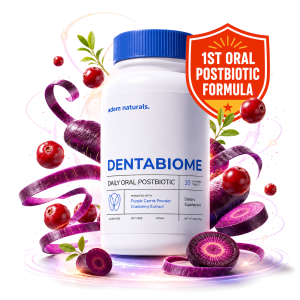
Here's the concept behind it. Most gum irritation and decay trace back to a sticky biofilm that forms around the bacteria S. mutans, and that biofilm locks acid tight against the tooth surface, what the maker calls the FabM acid-lock. Brushing and rinsing can knock loose bacteria sitting on top, but they don't always reach underneath that locked layer. Dentabiome's approach is different: it's a dual-strain postbiotic, essentially the beneficial byproducts of bacteria rather than live bacteria, delivered as a chewable Berry Frost tablet instead of a liquid rinse. Chewing spreads it across every tooth surface and down into the gum line and the tight spaces a brush tends to skip, and it's designed for fast absorption so it does not just sit there and wash away with your next glass of water. The idea is that by getting postbiotic activity into the same crevices where the acid-lock forms, the formula can help dismantle that protective layer over time, rather than simply masking the smell or the taste of decay. That is the real trick here: it is not about scrubbing harder, it is about aiming biology at the actual mechanism dentists worry about, not just the fresh-breath layer sitting on top of it.
So the real question is not whether another rinse can out-scrub your toothbrush, it is whether the acid-lock idea is genuinely the root of your gum irritation. If it is, a chewable postbiotic built around that specific mechanism makes more sense than one more minty swish. And with sixty days to test it against your own mouth, trying the idea costs you a conversation with your dentist, not a leap of faith.
Who Dentabiome is for, and who should check with a dentist first
Worth it if
- you want to address gum irritation at the source rather than mask it
- you'd rather chew a tablet than swish a rinse twice a day
- you like having two months to decide if it's working for you
Skip it if
- you want a clinical treatment for an existing dental condition rather than a daily supplement
- you're not comfortable trying a newer postbiotic category over familiar toothpaste and rinse
- you're looking for an overnight fix rather than a few weeks of daily use
Anyone with an existing gum or dental condition, or who is on medication, should check with a dentist or doctor before starting Dentabiome.
The Dentabiome review verdict
If you have been living with gum sensitivity or that low hum of embarrassment about your breath, and you would rather address the cause than the cover-up, Dentabiome is a quiet yes, especially with two months to decide if it is working for you. If you are already managing an active dental condition or take regular medication, this is a daily supplement and not a substitute for treatment, so check with your dentist first.
Before you go
Where can you buy Dentabiome?
Dentabiome is sold only through the official website, which is how the maker protects the 60-day money-back guarantee and keeps every bottle authentic.
How do you take Dentabiome?
Dentabiome comes as a chewable Berry Frost tablet taken daily, so the postbiotic formula can coat the teeth and gum line as you chew.
Does Dentabiome work?
The maker designed it around breaking the FabM acid-lock rather than masking symptoms, with daily use meant to bring noticeable changes within days to weeks.
1698675394165.png)